You do not need a huge teardown budget to spot potential in East Charlotte. In 28211, many of the homes that catch a renovator’s eye are classic ranches with straightforward layouts, established lots, and room to improve without starting from scratch. If you are wondering why these homes keep drawing attention from buyers, investors, and renovation-minded homeowners, this guide will show you what makes them appealing and what to evaluate before you make a move. Let’s dive in.
East Charlotte Has the Right Housing Mix
One reason ranch homes stand out in 28211 is simple: there are a lot of detached homes to begin with. Census Reporter estimates 15,233 housing units in the ZIP code, with 57% made up of single-unit structures. That gives renovators a market with a strong base of standalone homes rather than a housing mix dominated by multifamily buildings.
That matters because renovation strategy gets easier when you can compare similar properties. You are not looking at one isolated ranch on a block of unrelated housing types. Instead, you are often looking at homes that sit within a broader pattern of mid-century development, which helps you judge layout, lot use, and resale potential more clearly.
Ranch Homes Fit East Charlotte’s History
Charlotte’s architectural survey work shows that the east side developed with a large amount of postwar housing. Areas east of downtown along corridors like The Plaza, Central Avenue, and Monroe Road near Eastway Drive include ranch houses, Minimal Traditional dwellings, and some Modernist homes. Phase II survey work also documents mid-century neighborhoods such as Cotswold Homes, Sherwood Forest, Mountainbrook, Kingswood, and Lansdowne.
For you as a renovator, that history is useful. It means ranch homes in East Charlotte are not random one-offs. They are part of a larger housing story, which tends to create a steadier pool of candidate properties and a clearer sense of what tasteful updates look like in context.
Ranch Layouts Are Easier to Rework
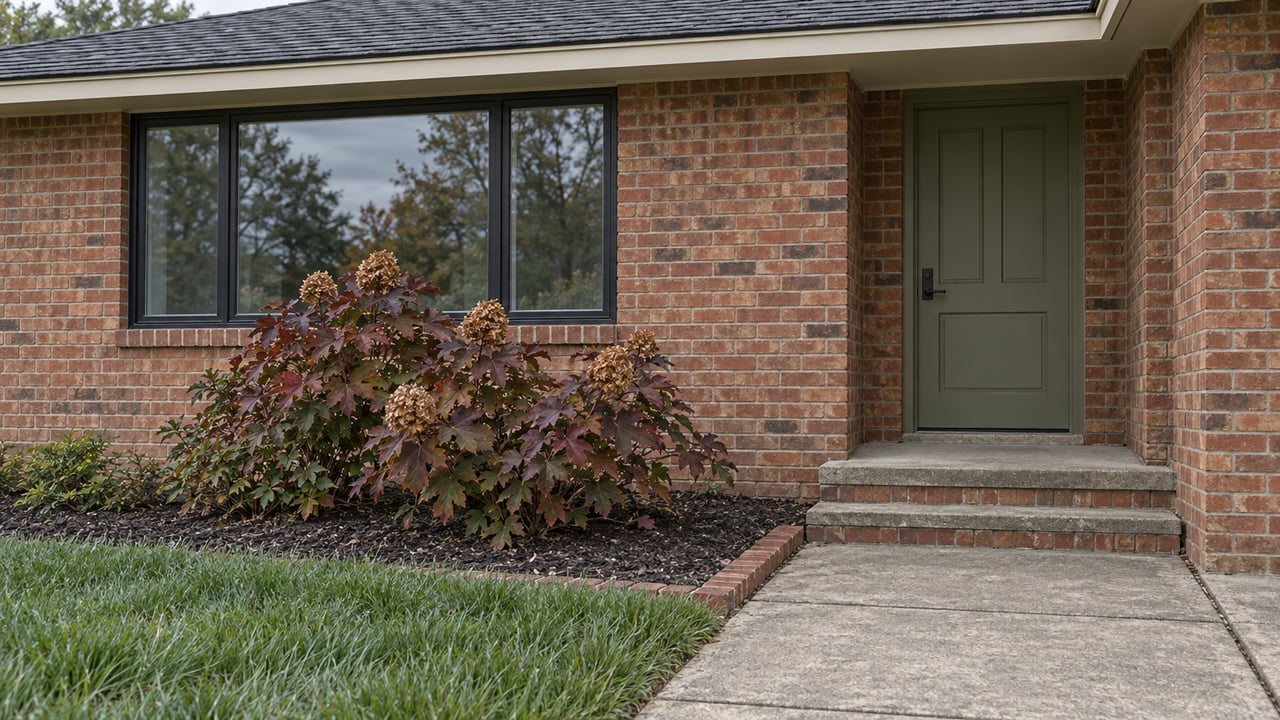
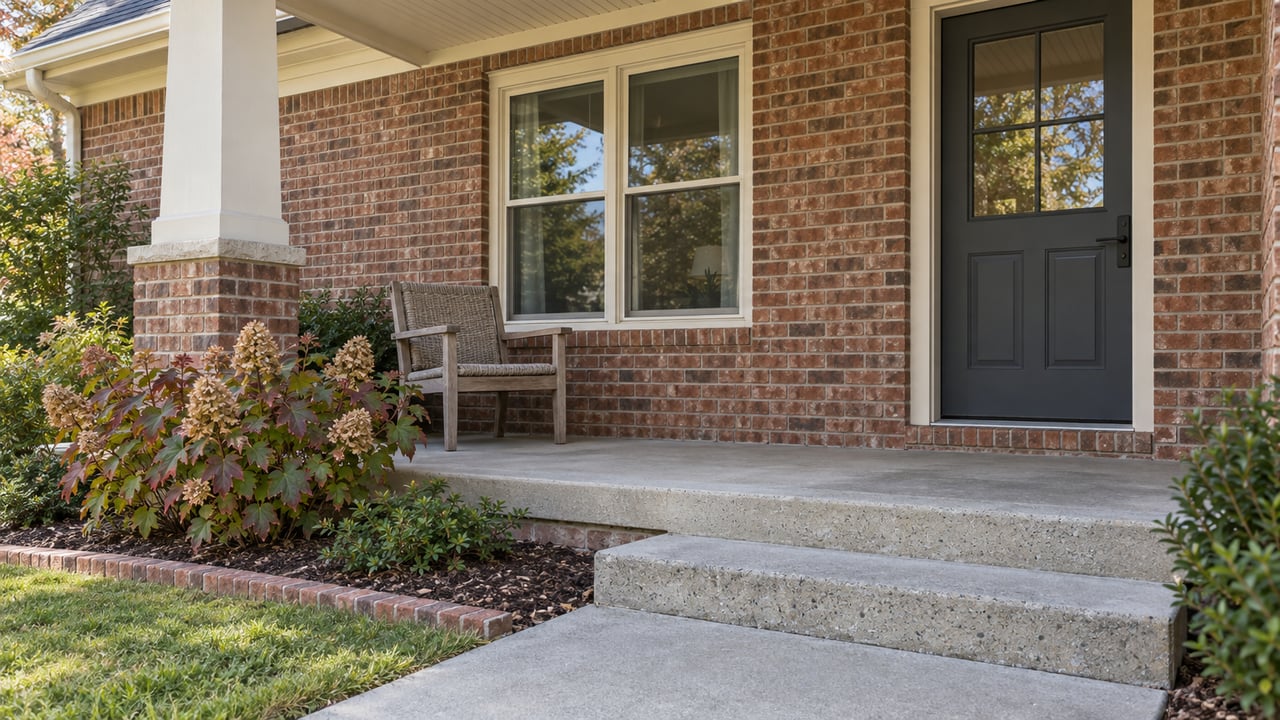
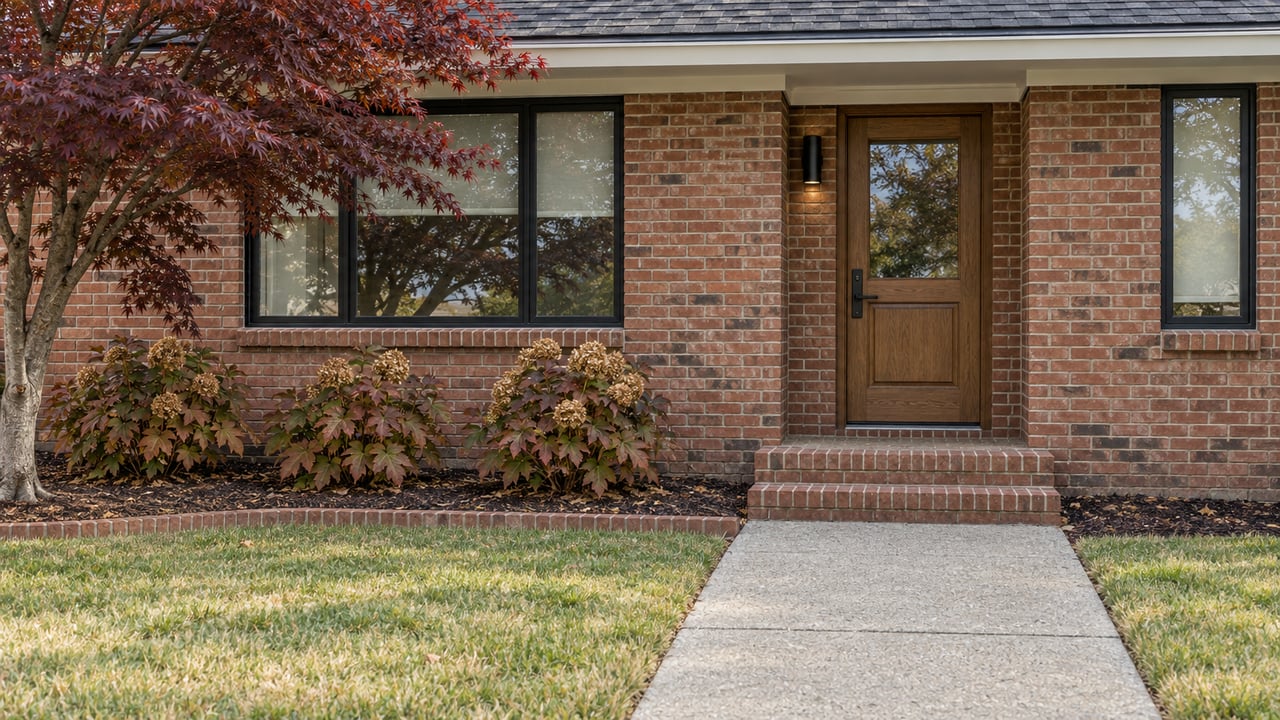
Ranch homes are known for being one-level houses with low roofs and simple, open plans. Charlotte’s historic materials describe them as long, one-story homes with shallow-pitched hipped or gabled roofs, deep eaves, picture windows, and recessed entries. That basic shape often gives you a practical starting point for updates.
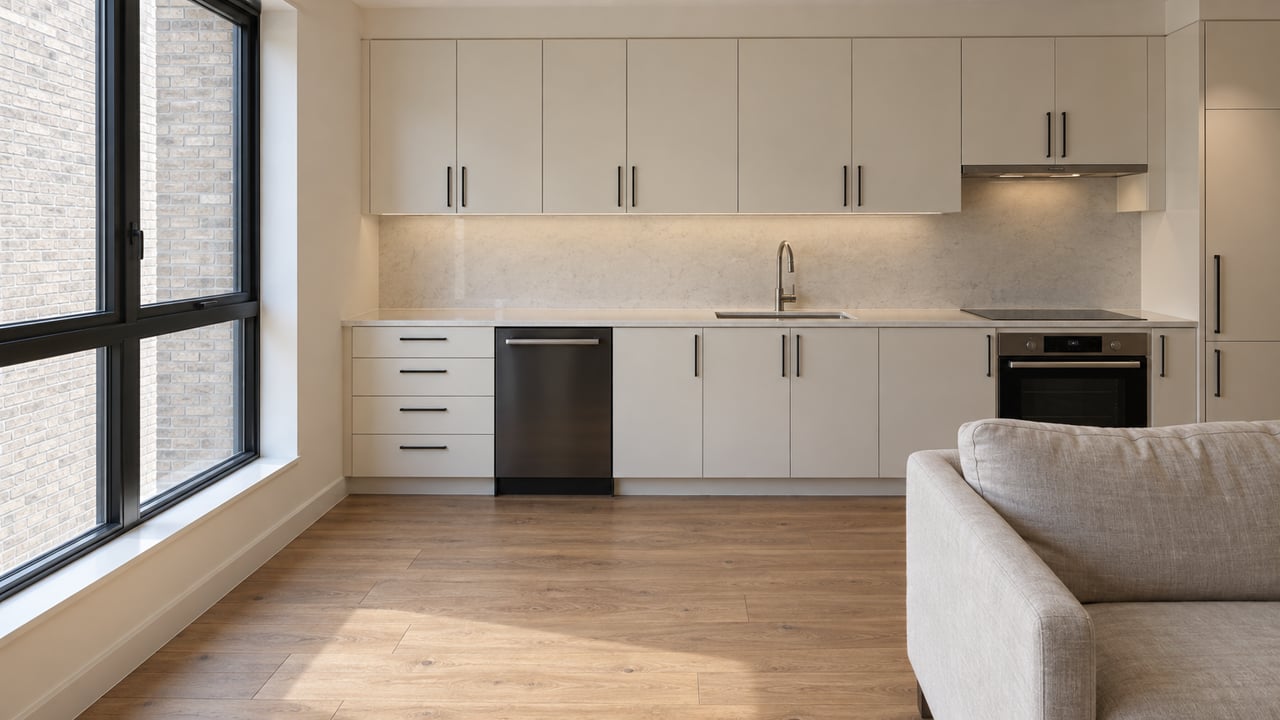
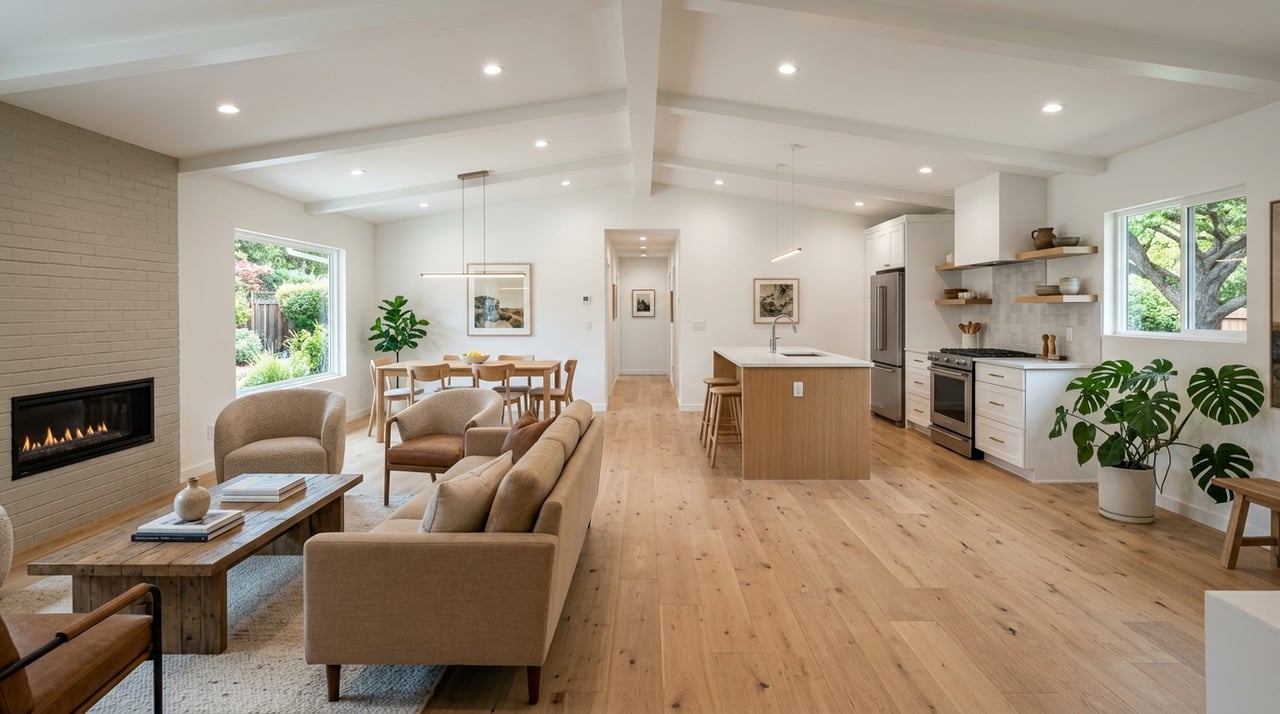
From a renovation perspective, simpler massing usually means fewer design complications. You may be able to improve flow, open living areas, update kitchens and baths, and create a better indoor-outdoor connection without changing the entire identity of the house. That is a big part of why ranches remain attractive for value-add projects.
Original Character Can Still Be Preserved
A major advantage of East Charlotte ranch homes is that improvements do not always require dramatic structural change. Charlotte’s survey guidance notes that modest rear additions or small dormers tend to be less disruptive than adding a full second story that changes the roofline and overall proportions. In many cases, that means you can add function while keeping the front-facing character of the home recognizable.
This matters for resale too. Buyers often respond well to homes that feel updated but still true to their original form. If you overbuild or alter the massing too aggressively, you can lose some of the visual balance that made the house appealing in the first place.
Buyers Still Like Single-Story Living
Ranch homes are not just easier to renovate. They also line up with features many buyers still want today. Single-story living, familiar floor plans, and a stronger connection between indoor and outdoor spaces continue to have broad appeal.
That gives renovators an important advantage. When you improve a ranch thoughtfully, you are usually not trying to force demand for an unfamiliar product. You are refining a housing style that many buyers already understand and find livable.
The Best Updates Are Often the Most Visible
If you are planning a renovation with resale in mind, start with the areas buyers notice first. In the 2025 Remodeling Impact Report, REALTORS® reported the strongest recent demand for complete kitchen renovations at 48%, interior painting of the whole home at 43%, bathroom renovations at 35%, and new roofing at 32%.
That lines up well with how many ranch projects should be approached. Kitchens, baths, paint, and roofing can make a home feel clean, functional, and market-ready without requiring a total reconfiguration. On a ranch, those visible improvements often have an outsized effect because the floor plan is usually compact and easy for buyers to understand at first glance.
Essentials Should Come Before Design Extras
It is easy to get excited about finishes, but the smartest renovation budgets protect the basics first. Charlotte’s Minimum Housing Code focuses on core health and safety issues such as heat, water, electricity, smoke and carbon monoxide detectors, and structural safety. That makes the order of operations important.
Before you spend heavily on cosmetic upgrades, make sure the home’s systems and structure support the plan. A polished kitchen will not carry the same weight if major essentials are unresolved. In many East Charlotte ranch projects, the winning approach is to stabilize first, then elevate the design.
ADU Potential Can Expand the Conversation
Some ranch properties become more interesting when the lot supports additional options. Charlotte says an accessory dwelling unit can be attached or detached, only one ADU is allowed per lot, and owners may rent the unit if they choose. The current UDO provides development standards for detached ADUs, and the city directs owners to check feasibility before moving into design.
That does not mean every ranch lot is an ADU opportunity. Charlotte notes that feasibility depends on parcel-specific factors like setbacks, driveway standards, tree locations, slope, and utility access. If you are comparing East Charlotte properties, it is better to evaluate lot fit one parcel at a time rather than assume similar homes have the same upside.
Permits and Site Conditions Matter
Renovators sometimes focus so much on the house that they overlook the site. In Charlotte, projects such as single-family additions, detached accessory structures, and ADUs require both a city LDIRL permit and a Mecklenburg County building permit. That makes early due diligence especially important.
If you are planning more than cosmetic work, confirm what the site can support before finalizing your budget. Driveway placement, slope, trees, and utility access can all affect cost and timing. A promising ranch home becomes a much better project when the parcel works with your plan instead of against it.
Historic District Rules Can Change the Plan
Not every East Charlotte ranch sits in the same regulatory environment. If a property is within one of Charlotte’s local historic districts, exterior work is more tightly controlled. The city says changes to windows, doors, fencing, and tree removal require Historic District Commission permission and a Certificate of Appropriateness before construction begins.
That does not automatically rule out a project, but it does affect scope and timeline. If you are considering a ranch in a regulated area, you will want to understand those requirements early so your renovation plan stays realistic.
Resale Works Best When the Home Feels Honest
The safest resale strategy for a renovated ranch is often the most balanced one. Charlotte’s survey guidance cautions that additions which significantly change massing, scale, or roofline can undermine the home’s character. More restrained rear additions and subordinate expansions are generally less disruptive.
In practical terms, buyers tend to respond well when a ranch still reads like a ranch, just improved. Better flow, stronger finishes, updated systems, and sharper curb appeal usually do more for resale than forcing the home into a style it was never meant to be.
Condition Matters More Than Ever
Today’s buyers are paying close attention to how finished a home feels. According to the 2025 Remodeling Impact Report, 46% of buyers are less willing to compromise on a home’s condition. That helps explain why clean, well-executed ranch renovations often compete better than dated or half-finished ones.
For you, this reinforces the value of execution. A renovated East Charlotte ranch does not have to be flashy, but it does need to feel intentional, complete, and well cared for. In many cases, that consistency is what separates a fast-moving listing from one that struggles.
East Charlotte Has Ongoing Reinvestment
The appeal of these homes is not only about floor plans and renovation ease. East Charlotte also has active public investment that can support long-term confidence. The Central/Albemarle/Shamrock CNIP covers neighborhoods east of Uptown from Eastway Drive at The Plaza to Central Avenue and Albemarle Road, the Monroe Road Streetscape project is designed to make Monroe more pedestrian-oriented, and the Eastland Sports Campus is a $67.1 million project expected to open in late 2028 as part of the Eastland Yards redevelopment.
For renovators, this broader context matters. A project feels stronger when it sits in an area with continued reinvestment, infrastructure attention, and visible momentum. It does not remove the need for careful underwriting, but it does help explain why East Charlotte remains on the radar for buyers looking for upside.
Why 28211 Ranch Homes Stand Out
When you put it all together, the appeal is pretty clear. East Charlotte ranch homes in 28211 offer a detached-home-heavy setting, a deep mid-century housing base, manageable one-story forms, and renovation paths that often make sense both functionally and financially. Add in parcel-specific possibilities like additions or ADUs, and you can see why these homes keep attracting attention.
If you are thinking about buying, renovating, or selling a ranch home in East Charlotte, the key is knowing how to match the property’s form, lot, and location to the right strategy. That is where local guidance can make a real difference. If you want help evaluating a project or planning your next move, connect with Anthony Swain.
FAQs
Why do ranch homes in East Charlotte attract renovators?
- Ranch homes in East Charlotte attract renovators because they often offer simple one-story layouts, manageable massing, and a strong supply of detached mid-century homes that are easier to compare and update.
Why is ZIP code 28211 important for ranch home buyers?
- ZIP code 28211 matters because it has a large housing stock with 57% single-unit structures, which supports a steady pool of detached homes that may appeal to buyers looking for renovation opportunities.
What renovations tend to matter most for East Charlotte ranch homes?
- The updates that often matter most are kitchens, whole-home interior painting, bathrooms, and roofing, along with making sure core systems and structural items are addressed first.
Can you add an ADU to a ranch property in Charlotte?
- You may be able to add an ADU, but it depends on the parcel. Charlotte allows one ADU per lot, and feasibility depends on factors like setbacks, slope, driveway standards, trees, and utility access.
Do historic district rules affect ranch home renovations in Charlotte?
- Yes. If the property is in a local historic district, certain exterior changes such as windows, doors, fencing, and tree removal require Historic District Commission permission and a Certificate of Appropriateness before work starts.