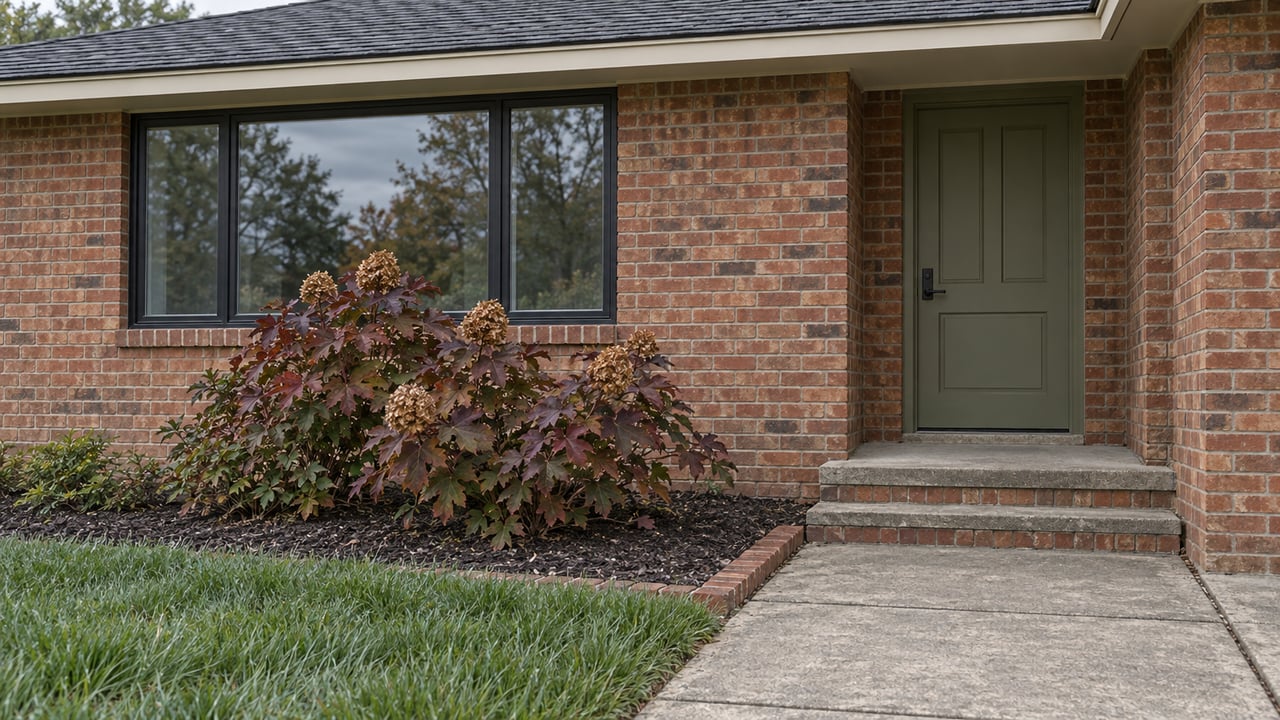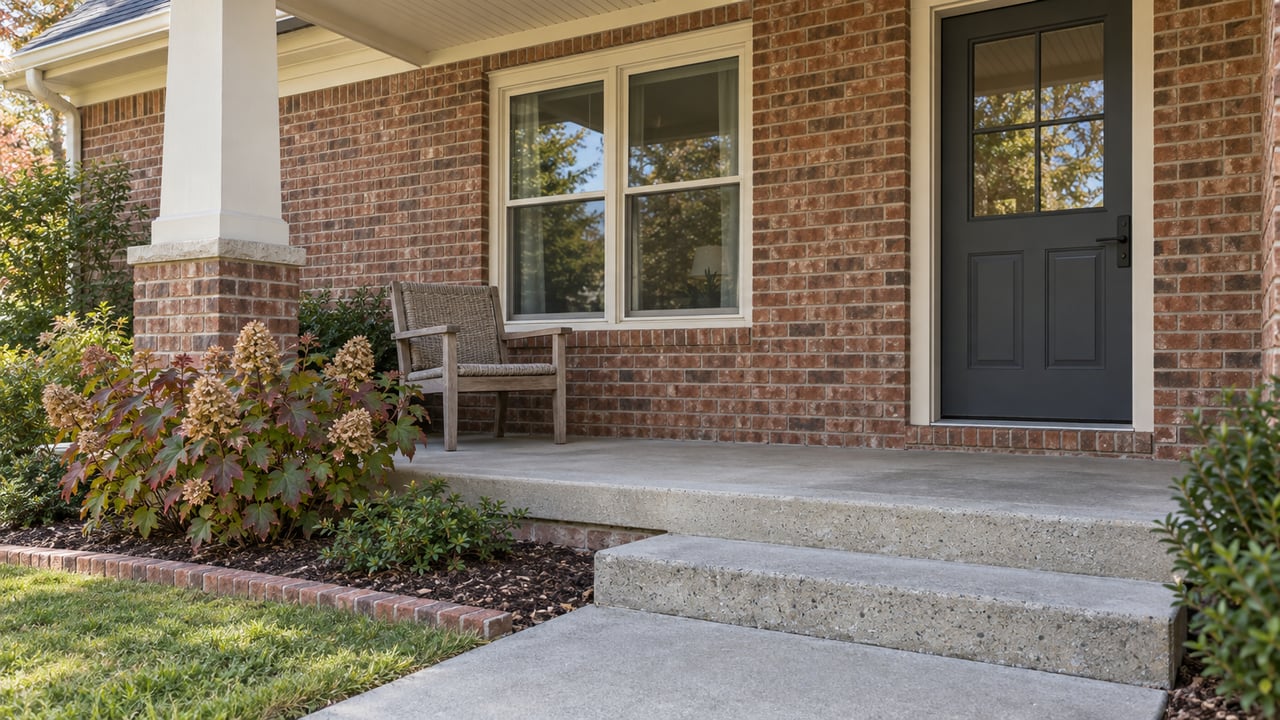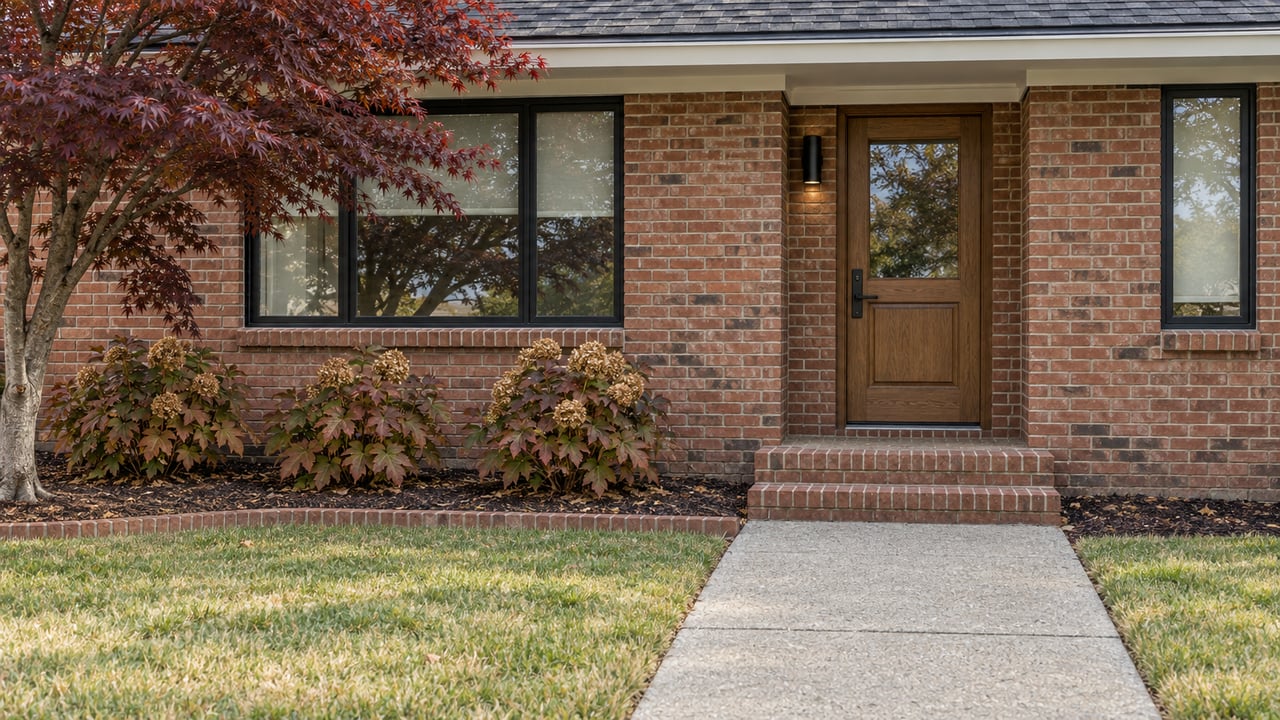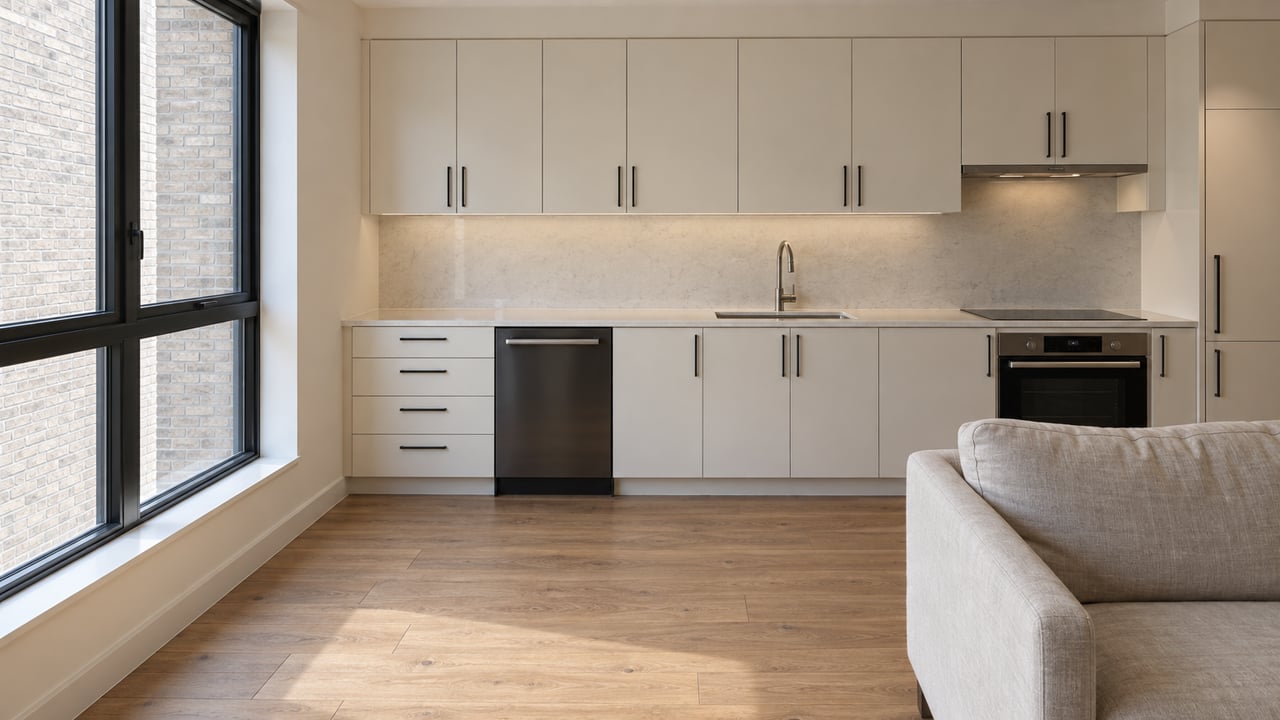
A buyer working two SouthPark showings in the same week runs into two different transactions. The first is a resale brick house a few blocks off Sharon Road. The loan moves the way loans are supposed to move, an appraisal, a rate lock, a closing date that holds. The second is a two-bedroom unit in one of the older condo buildings near the mall corridor. The lender comes back with questions about the building's reserve study, its owner-occupancy percentage, whether there's a special assessment sitting on the books that nobody mentioned at the showing. Same neighborhood name on both listings. Nothing else about the process matches.
That gap is not a fluke of one lender or one building. SouthPark's median price gets quoted as if it describes one market, but it's really an average sitting on top of two products that behave almost nothing alike, and the differences between them are about to matter more, not less.
Two Products, One Zip Code
The single-family streets in SouthPark have run out of room to grow the ordinary way. There's no raw land left to subdivide into new lots, so new single-family inventory shows up only when someone buys an existing house, tears it down, and rebuilds, which is slower and more expensive than opening a subdivision on open ground. That scarcity is the whole story on the house side of the market. Canopy MLS figures for the SouthPark subdivision near the mall show sales over the past year, as of early August 2026, ranging from about $710,000 to $5 million, with a median of 29 days on market. That spread is wide because it covers everything from a modest ranch to a rebuilt estate lot, but the throughput is fast because there simply isn't much competing supply.
The condo and townhome segment runs on a different engine entirely. A well-reserved building with no pending assessments trades easily. A building facing a roof replacement, an elevator overhaul, or a lending review triggered by too many renter-occupied units can sit, even a few doors down from a building that's moving fine. National lenders scrutinize a condo association's finances the way they never scrutinize a single-family seller's, and that scrutiny is where deals quietly stall. A buyer comparing a condo listing to a house listing using the same neighborhood median is comparing two different financial instruments that happen to share a mailing address.
Two Towers at Rooster's
The reason this split is about to widen sits at the corner of Carnegie Boulevard, where Rooster's Wood-Fired Kitchen and a shuttered Wendy's and Bojangles building currently stand. Hines, working with longtime SouthPark landowner Harris Land, has unveiled plans for The Gallery SouthPark: a 19-story, 250,000-square-foot office building described in the developer's own materials as highly amenitized, alongside a separate 19-story, 302-unit apartment tower. It would be the tallest project SouthPark has ever seen, and it marks Hines' first ground-up development in Charlotte after the firm bought the Design Center of the Carolinas in South End and took ownership of Birkdale Village and a 551-townhome community in Pineville.
The office building won't break ground until a meaningful share of it is pre-leased, which matters because it tells you what kind of demand is driving this. SouthPark's office market was historically a small-tenant market, spaces under 10,000 square feet, and it's now landing tenants like JPMorgan Chase leasing well over 100,000 square feet at a time. That shift from small-suite suburban office park to a market that can absorb a JPMorgan-sized lease is what's underwriting a tower this size in a neighborhood that's never had one. Reporting on the announcement also notes that Charlotte's broader office construction pipeline has been slow, held back by high building costs and lingering uncertainty about post-pandemic office demand, which is what makes a firm new to the market willing to build here notable in the first place.
The Park Being Built Around Them
The tower announcement isn't happening in isolation. Axios reports that a few blocks away, construction is set to begin this fall on the overhaul of Symphony Park, the 7.4-acre green space at 4400 Sharon Road next to SouthPark Mall. The project, expected to cost more than the $21 million originally projected, is funded in part by $8 million from the City of Charlotte and $8 million from Simon Property Group, which is also covering two yet-to-be-named anchor restaurants for the site. Once finished, the park is projected to go from hosting roughly 80 events a year to around 250. Adam Rhew, president of SouthPark Community Partners, framed the goal as pedestrian connectivity that tells neighbors "you are welcome here," and the Symphony Park work includes a 500-foot stretch of The Loop, the roughly three-mile urban trail planned to eventually stitch the district together. The city is separately building a $3.625 million, 0.2-mile Loop segment near Cameron Valley Parkway and Carnegie Boulevard.
None of that public investment touches a condo building's reserve fund or its owner-occupancy math. What it does is make the fixed footprint of single-family land in SouthPark more valuable to hold, because every dollar spent on parks, trails, and pedestrian connections raises the ceiling on what a rebuilt house on a scarce lot can command, without doing anything to fix the structural friction that governs whether a specific condo building can close a sale on schedule.
What Actually Moves Each Segment
| Single-family | Condo / townhome | |
|---|---|---|
| Where new supply comes from | Teardown and rebuild on existing lots only | New construction plus resales inside existing buildings |
| What drives price | Land scarcity, lot size, rebuild potential | Building reserves, HOA fee trajectory, unit-level condition |
| What can stall a closing | Almost nothing, financing is standard | Special assessments, reserve studies, owner-occupancy ratios that trip lender rules |
A rising tide of office jobs and public amenity spending lifts the single-family column by making the land under those houses worth more. It does nothing to the condo column, where the deciding factor in whether a specific unit sells smoothly is the health of one building's balance sheet, not the neighborhood's trajectory.
Reading SouthPark Against Myers Park, Eastover, or Foxcroft
Anyone comparing SouthPark to a neighboring enclave should build two comp sets, not one. For a single-family teardown lot, the relevant comparison is recent rebuild activity and land value on comparable lots, not a blended neighborhood median that mixes in condo sales from a different price tier entirely. For a condo or townhome, the relevant comparison is the specific building's financial documents, its reserve funding percentage, its assessment history, and whether its owner-occupancy mix will support the financing a buyer actually needs. The Gallery SouthPark towers and the Symphony Park overhaul are real signals about where the neighborhood is headed, but they're signals about land and foot traffic, not about any individual condo association's books.
A Few Questions Worth Asking
Does a new office tower change what a nearby house is worth right away? Not on this year's closing statements. The Gallery SouthPark office building won't start construction until it's substantially pre-leased, so the near-term effect shows up in permit filings and land pricing on comparable lots well before it shows up in a resale comp sheet.
What should someone check before writing an offer on a SouthPark condo? Ask for the building's most recent reserve study, any special assessment approved or under discussion in board minutes, and the current owner-occupancy percentage, since that number determines whether conventional financing will even work for the unit in question.
Is the office boom a sign the whole market is overheating? It's better read as the opposite. Charlotte's office construction has been slow overall due to high building costs, which is exactly why a ground-up project from a firm making its first Charlotte investment is worth paying attention to here specifically, rather than evidence that every part of the market is moving at the same speed.
If you're weighing a SouthPark house against a SouthPark condo, or weighing SouthPark against a neighboring enclave altogether, the comparison only holds up once you're pricing the right product against the right mechanics. Anthony Swain can walk through what a specific address, house or condo, is actually up against right now. Let's Connect.
This article is general information, not legal, tax or financial advice. Consult a qualified professional about your situation.