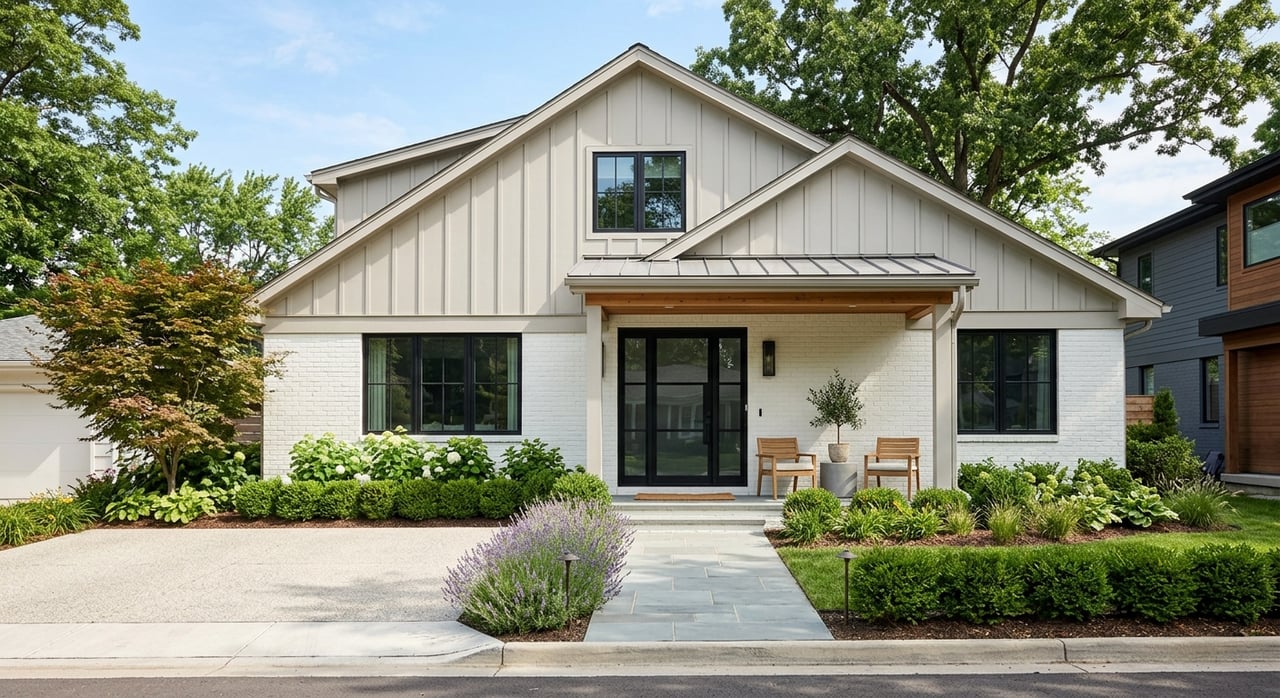
Curious what West Charlotte really feels like today? If you have been hearing more about 28208, you are not imagining the momentum, but this part of Charlotte is not one simple story. It is a mix of historic areas, evolving corridors, older homes, newer infill, and everyday convenience that depends a lot on the block. This guide gives you a clear, grounded look at what West Charlotte living looks like now. Let’s dive in.
West Charlotte Is Not Just One Neighborhood
One of the most important things to know about 28208 is that West Charlotte is best understood as a collection of places, not a single neighborhood identity. In Charlotte’s own planning language, the West End and the West Boulevard corridor have different histories, patterns, and priorities.
The West End is a historic Black community anchored by Johnson C. Smith University. The city’s West End study points to a long legacy of entrepreneurship and small business, especially across areas like Biddleville, Seversville, Smallwood, and Wesley Heights. That history still shapes how the area feels today.
West Boulevard tells a different story. The city describes it as an airport-adjacent gateway that is still working through housing, retail, and connectivity gaps. At the same time, that corridor is being guided toward more neighborhood services, job access, green space, and better transportation options.
What Daily Life Feels Like
If you spend time in West Charlotte now, the strongest impression is often contrast. You can move from established residential streets to busier commercial corridors quickly, and that mix is a big part of what defines the area.
Some parts feel rooted and familiar, with older homes, mature trees, and long-standing community identity. Other stretches feel more transitional, where public investment, redevelopment, and new housing types are changing the streetscape.
For many buyers, that means West Charlotte can offer both character and change at the same time. You are not looking at a finished, uniform environment. You are looking at an area where long-established places and next-phase growth overlap.
Housing Styles Across 28208
Housing is one of the clearest ways to see that layered identity. In several west-side areas, the housing stock reflects different eras of Charlotte’s growth rather than one dominant style.
Older Homes Still Define Many Streets
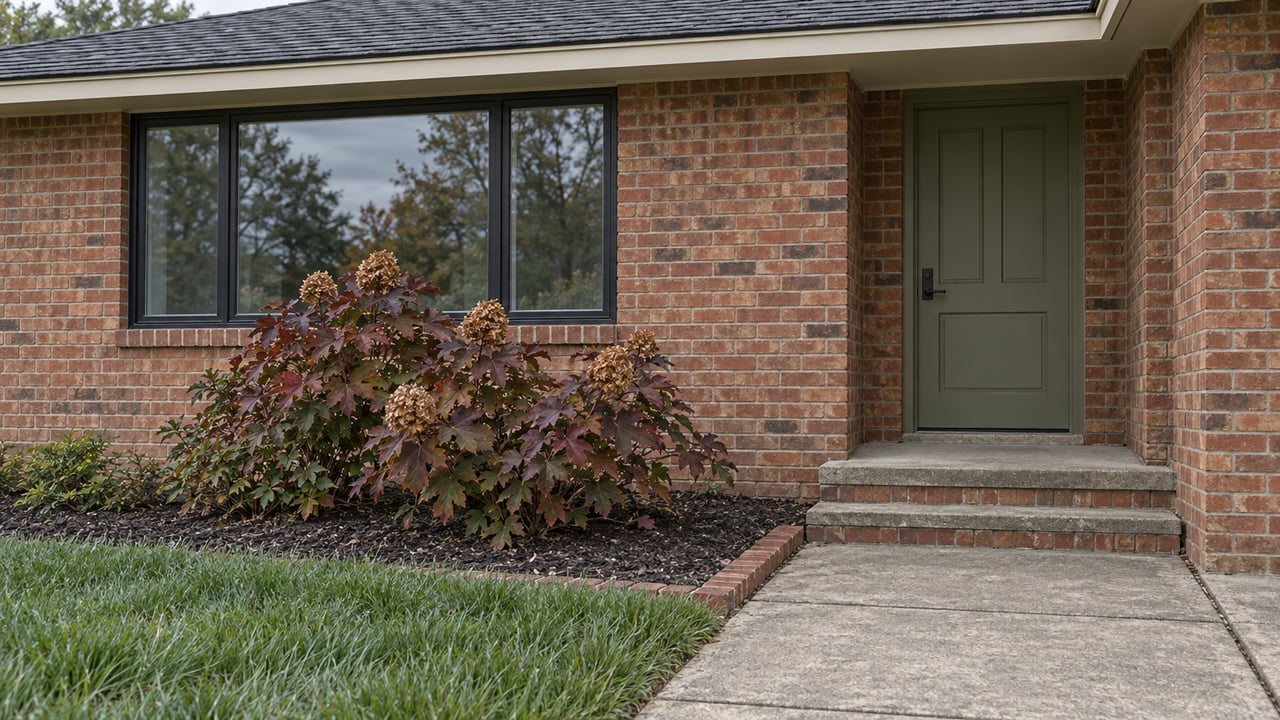
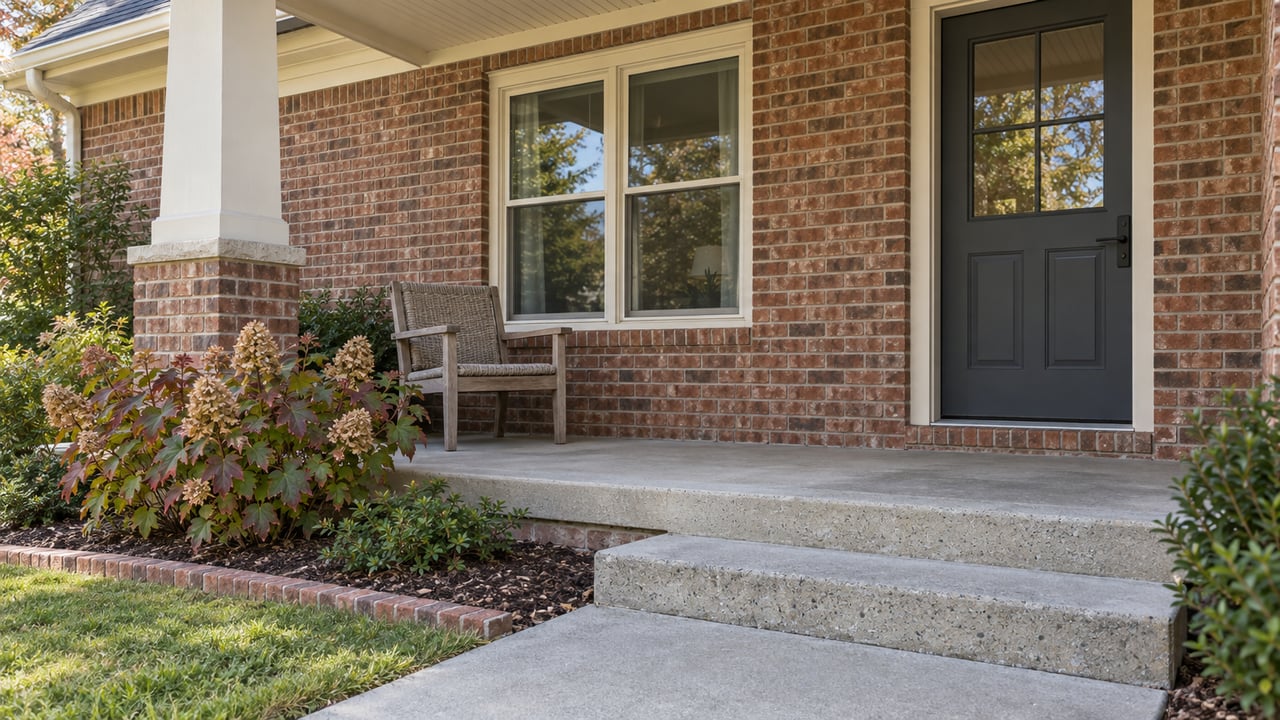
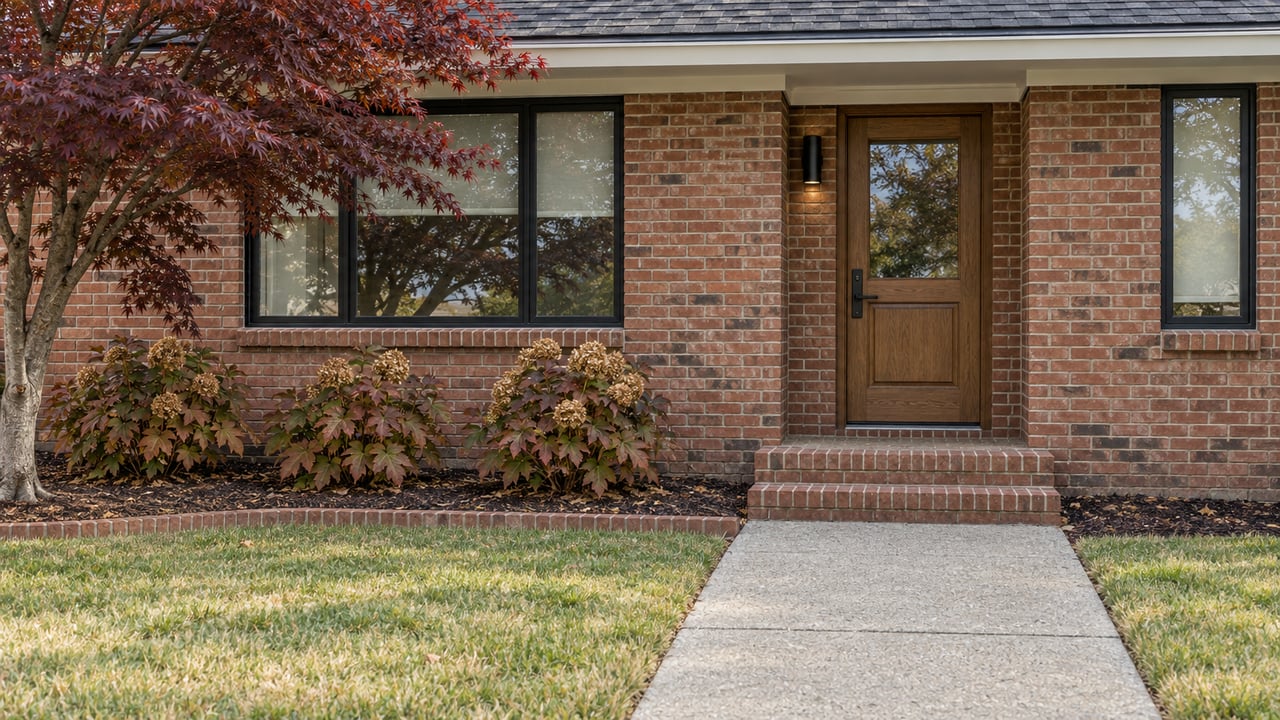
Wesley Heights is known for its 1920s bungalow-style homes and tree-canopied streets, according to the city’s historic district information. That gives parts of the area a classic neighborhood feel that many buyers still seek out.
Wilmore also reflects that older pattern, though its mix is broader. The city notes that it still includes family bungalows, but also duplexes, apartment buildings, churches, and commercial buildings. That variety can make the area feel more mixed in use and form.
McCrorey Heights brings in another chapter of west-side housing. The city describes it as a place where American Small House, Ranch, and Split-Level homes from the mid-1900s are part of the neighborhood fabric.
New Infill Is Expanding Options
Newer housing is arriving too, and often in more compact formats. In 2025, Habitat for Humanity celebrated a by-right duplex at 2510 Toddville Road, and the nearby Legacy Vista development includes five duplex buildings and four single-family homes.
The city said its Unified Development Ordinance made that kind of density possible without rezoning. For buyers, that matters because it shows how housing choices in West Charlotte are broadening beyond the traditional single-family pattern.
This shift does not erase the older character of the area. Instead, it adds more variety to what you may find, especially if you are open to attached housing, infill development, or newer construction in an established part of the city.
Larger Redevelopment Is Part of the Story
Savona Mill is one of the clearest examples of how larger projects are influencing the area’s next chapter. Mecklenburg County lists the property as a historic landmark in the West End, and redevelopment plans describe a 27-acre mixed-use project with more than 600 residences, retail, office space, and a community plaza near Stewart Creek Greenway.
That matters because it signals more than just new housing. It points to a broader pattern of mixed-use growth where residential living, gathering space, and daily activity may become more integrated over time.
Getting Around West Charlotte
Mobility is a major part of how West Charlotte living works in practice. Depending on where you are in 28208, daily routines may feel more connected or more car-oriented.
Airport Access Is a Real Advantage
One practical strength of this part of Charlotte is access to Charlotte Douglas International Airport. For frequent travelers, airline employees, or buyers who value convenience, that can be a meaningful lifestyle benefit.
Transit options support that access too. CATS says the Sprinter runs between the Charlotte Transportation Center and the airport, while Route 60 links the Tyvola Blue Line station to the airport. The city describes the Sprinter as a frequent, low-cost connection that also links to rail.
Walkability Varies by Corridor
It is important to keep expectations realistic. The city acknowledges that parts of West Boulevard are still not especially walkable, which means some blocks can feel more car-dependent even as improvements continue.
That does not mean access is static. It means West Charlotte is in a phase where sidewalks, lighting, and transit connections are improving, but the experience can still vary a lot depending on the exact location.
Greenways Add Everyday Value
Green space is not just a future idea here. Mecklenburg County’s greenway system includes Irwin Creek and the combined Irwin, Stewart Creek, and Wesley Heights corridors in central and west Mecklenburg.
County stormwater work also describes a new section of Stewart Creek Greenway. For residents, that helps turn outdoor access into something practical for walks, bike rides, and day-to-day recreation rather than just a long-range promise.
The city’s West End reconnection planning goes even further, proposing a linear park, a greenway connector, and an extension of Irwin Creek Greenway toward Biddleville Park and McCrorey Heights. If those efforts continue forward, they could make neighborhood connections feel stronger over time.
Food and Gathering Spots Are Growing
West Charlotte’s social life is still very corridor-based, but that does not mean it lacks energy. In fact, some of the most visible change is happening around food, culture, and small-scale gathering spaces.
The city’s west-side heritage feature highlighted El Sazón Latino on West Boulevard, Taqueria Chonita on Freedom Drive, and Miguel’s Mexican and American Restaurant near the airport as examples of the area’s food scene. That points to a dining pattern spread across Freedom, Wilkinson, West, and Tuckaseegee rather than centered in one single district.
Thrift Road has also become a notable food node. In 2025, a Charlotte Observer restaurant roundup reported that Mazali, an Uzbek restaurant, moved into the larger City Kitch West space at 2200 Thrift Road in 28208.
Beyond restaurants, the area is also adding places built around work, creativity, and community activity. The Freedom Business Collective opened on Enderly Road in 2024 with affordable office space, coaching, workshops, and training, and the city’s creative-space grants included Dear Soul Music Company in the Freedom and Wilkinson corridor.
Savona Mill stands out here too. In 2024, BayHaven Food and Wine Festival used the site for dinners, tastings, pairings, barbecue events, and education panels, reinforcing the West End’s growing role as a food and culture destination.
Why Buyers Are Watching 28208
For buyers, West Charlotte can be appealing for a few different reasons. Some are drawn to older housing stock and established streets. Others are paying attention to access to Uptown, the airport, and greenway improvements.
There is also a clear story of housing variety. In a single broader area, you may see bungalows, ranch homes, duplexes, apartment buildings, and new mixed-use residential development. That range can create options for first-time buyers, move-up buyers, and people looking for homes with renovation potential.
The bigger point is that West Charlotte is not defined by just one lifestyle. It offers a combination of history, location, and change that may feel compelling if you want an area that is already established but still evolving.
What Sellers Should Understand
If you own in 28208, context matters. Buyers are not evaluating West Charlotte as one uniform market, and they are often paying close attention to street-by-street differences in home style, connectivity, and nearby development.
That means positioning matters just as much as pricing. A home near historic streets, greenway access, or visible redevelopment may need a different marketing story than one in a more car-oriented corridor.
It also means presentation can have an outsized impact. In an area where buyers are comparing older homes, renovated homes, and newer infill, clear strategy around condition, updates, and neighborhood context can shape how your property is received.
The Best Way to Describe West Charlotte Now
If you want the most accurate takeaway, West Charlotte today feels established and in motion at the same time. Older residential streets, airport and Uptown access, greenway improvements, and corridor-level revitalization are all part of the picture.
Some stretches still feel more car-dependent than walkable. Even so, the area is clearly adding housing variety, better pedestrian connections, and more neighborhood-scale food and cultural activity.
That layered mix is exactly what makes 28208 worth understanding before you buy, sell, or invest. If you want help thinking through where West Charlotte fits into your goals, connect with Anthony Swain for strategic, local guidance.
FAQs
What makes West Charlotte different from one neighborhood to another?
- West Charlotte includes multiple areas with different histories and development patterns, including the historic West End and the more airport-adjacent West Boulevard corridor.
What kinds of homes can you find in West Charlotte 28208?
- Housing in 28208 includes 1920s bungalows, mid-century ranch and split-level homes, duplexes, apartment buildings, and newer infill and mixed-use residential development.
What is transportation like in West Charlotte right now?
- Transportation depends on the block, but the area benefits from airport access, CATS Sprinter service, Route 60 connections, and ongoing improvements to sidewalks, lighting, and broader connectivity.
What green space is available in West Charlotte?
- West Charlotte includes access to greenway systems such as Irwin Creek and Stewart Creek, with additional connector and park improvements proposed through city planning efforts.
What kinds of restaurants and gathering places are in West Charlotte?
- The area’s food and activity centers are mostly corridor-based, with restaurants along West Boulevard, Freedom Drive, Wilkinson, and Tuckaseegee, plus newer gathering spaces like Freedom Business Collective and activity at Savona Mill.
Why are buyers paying attention to West Charlotte now?
- Buyers are watching West Charlotte because it combines established housing, airport and Uptown access, greenway improvements, and visible redevelopment that is adding more housing and activity options.