Thinking about moving to SouthPark? You are not alone. This part of Charlotte draws buyers who want a location with strong everyday convenience, established housing, and access to one of the city’s biggest employment districts. If you are trying to figure out whether SouthPark and ZIP code 28226 fit your lifestyle, budget, and commute, this guide will help you make a more confident move. Let’s dive in.
Why SouthPark draws relocators
SouthPark is more than a shopping and dining area. It functions as a major mixed-use district with 28,600 employees, 7,600 residents, more than 1,100 businesses, 1,700 hotel rooms, and over $2 billion in planned development. That mix gives the area a true live-work-play feel instead of reading like a purely residential pocket.
For many relocation buyers, that matters. You may want a home base that keeps daily errands, office access, restaurants, and services close together. SouthPark tends to appeal to buyers who value convenience, established surroundings, and a district that still has room to evolve.
What 28226 looks like on paper
If you are relocating, it helps to understand the bigger picture behind the ZIP code. In 28226, there are 39,381 residents, the median household income is $118,606, and the median age is 40.6. About 65.1% of adults hold a bachelor’s degree or higher.
Housing in 28226 leans owner-occupied and established. About 68% of occupied units are owner-occupied, 73% of housing is in single-unit structures, and 12.4% of residents moved within the previous year. In simple terms, that suggests a market with a solid residential base rather than a highly transient one.
Expect a higher price point
SouthPark is not usually a low-cost entry point into Charlotte. In 28226, the median value of owner-occupied housing units is $617,600. The value mix also skews higher, with 44% of owner-occupied homes valued between $500,000 and $1 million, and 11% above $1 million.
That does not mean every home falls into the same category. It does mean you should enter your search with realistic expectations about pricing, competition, and tradeoffs. For many buyers, the real question becomes how to balance location, size, upkeep, and monthly carrying costs.
Home types in SouthPark
Single-family homes
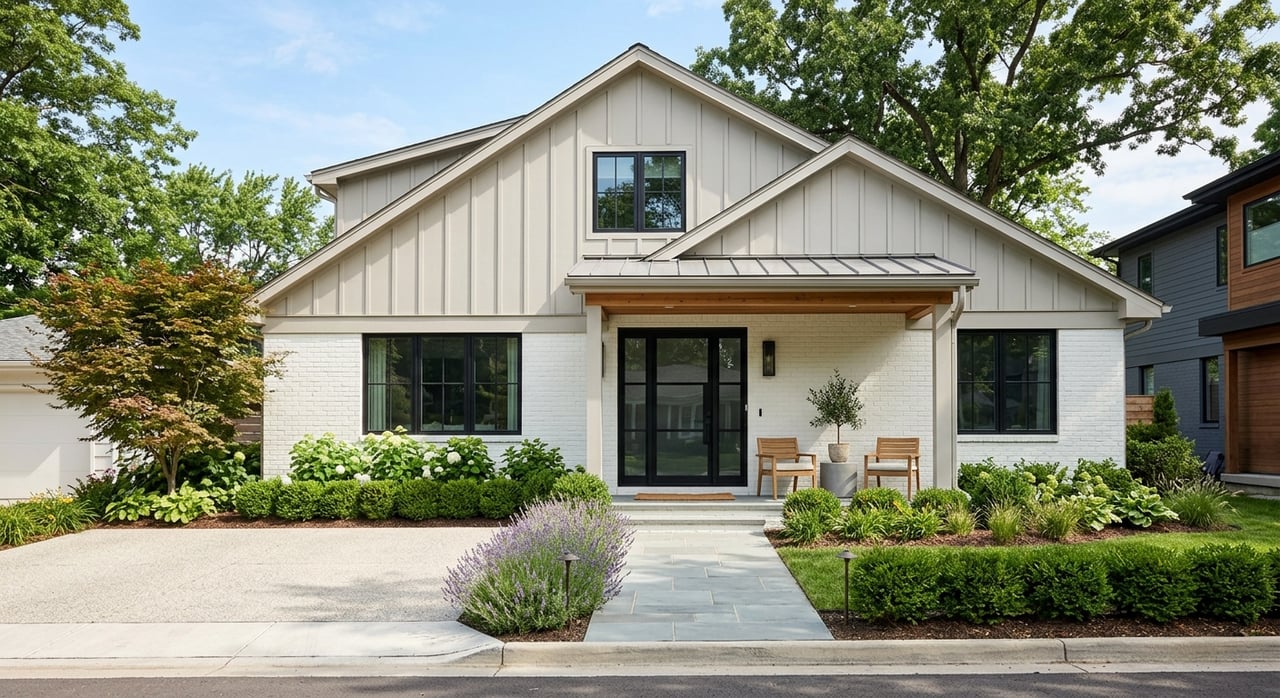
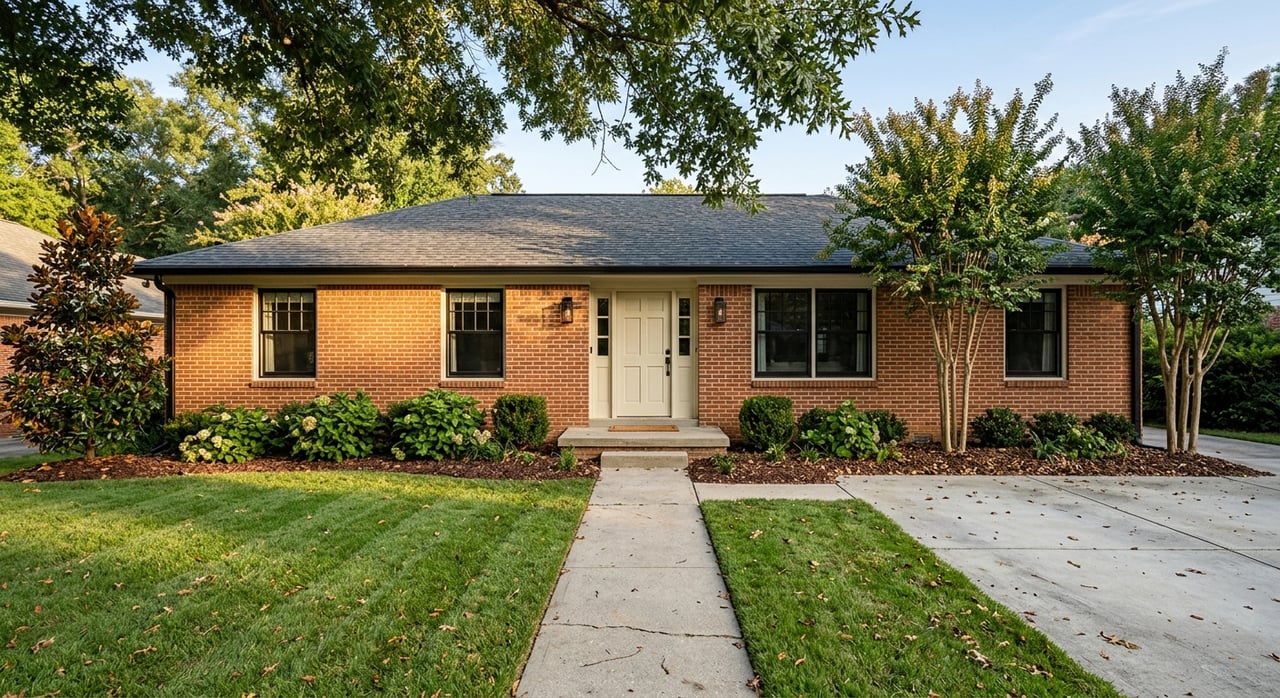
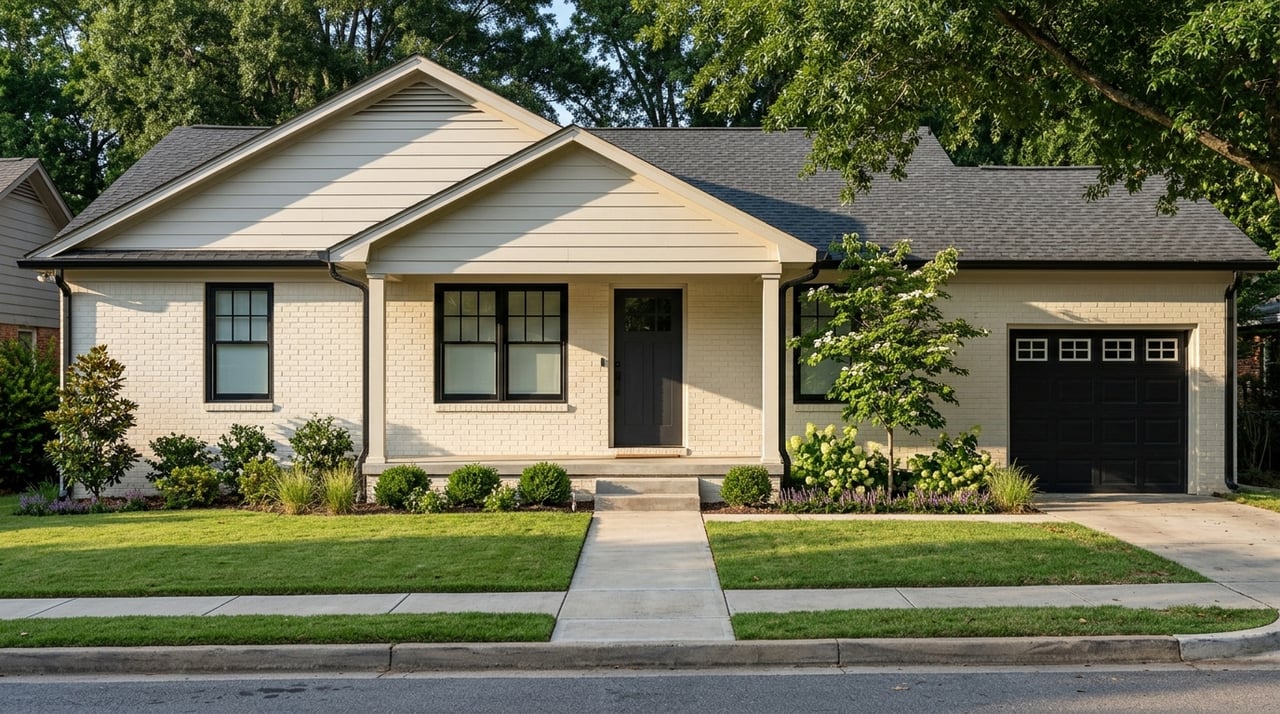
Detached homes are the dominant housing type in 28226. Since 73% of housing structures are single-unit, buyers searching here will likely see a strong share of traditional single-family options. These homes often appeal to buyers who want more direct control over the property and are comfortable taking on more maintenance.
That control can be a major plus if you value outdoor space, more separation from neighbors, or flexibility for updates over time. The tradeoff is that more responsibility typically falls on you, from exterior upkeep to repair planning.
Condos and townhomes
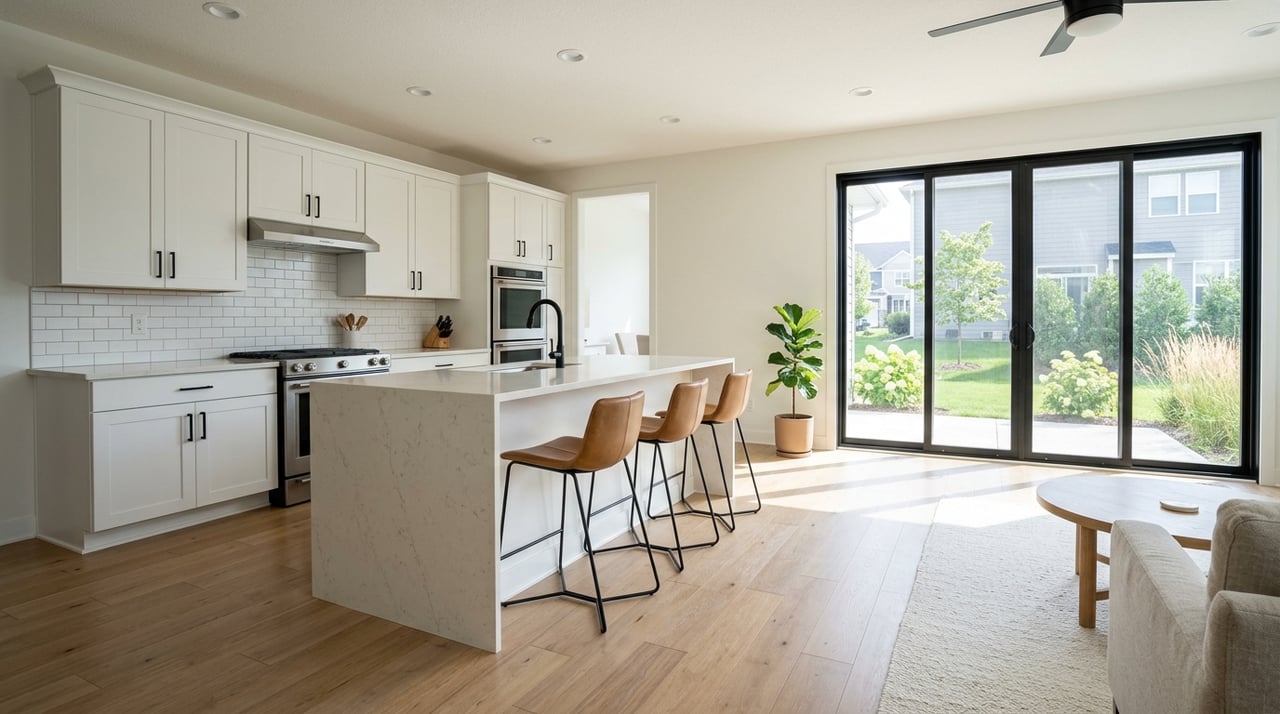
SouthPark also offers attached housing choices that can be attractive for relocation buyers. Condos and townhomes often work well if you want less exterior maintenance and easier access to district amenities. In exchange, you may have monthly dues, association rules, and approval requirements for certain exterior changes.
In SouthPark, this can be an especially important choice point. The conversation is often not just about square footage. It is about how much maintenance you want to manage yourself versus how much structure you want an association to handle.
Commute and access matter here
SouthPark is one of Charlotte’s major business districts, and that helps explain its ongoing appeal. The area also sits minutes from I-77, giving drivers access to other major employment hubs across the region. Nearby comparisons include Uptown, South End, Ballantyne, and the airport district.
If you are relocating for work, this kind of positioning can be a real advantage. You may not need to live in the exact district where you work to stay connected to Charlotte’s larger job network. SouthPark can offer a central-feeling location for buyers who want options.
SouthPark is mostly car-based
Commute patterns in 28226 are strongly tied to driving. The mean travel time to work is 25.1 minutes, with 60% of workers driving alone and 7% carpooling. Public transit use rounds to zero in the ACS estimate, while 31% work from home.
That tells you something important before you move. In SouthPark, road access, parking, and peak traffic patterns are usually more important to day-to-day life than being close to a major rail line. If you are home shopping here, it is smart to pay attention to drive routes at the times you would actually use them.
Transit exists, but it is secondary
Although most residents rely on cars, SouthPark does have mobility options. The SouthPark Community Transit Center is located inside the SouthPark Mall parking deck and connects to CATS routes 19, 28, 30, and 57. There is also the SouthPark Skipper, a free on-demand ride service that runs daily from 9 a.m. to 9 p.m. within the district.
For some buyers, that creates a useful backup layer. It may not replace a car-centered lifestyle, but it can help with short local trips, dining outings, or days when you want another option. That added flexibility can be a nice benefit if you plan to spend a lot of time in the district itself.
Daily movement can feel busy
SouthPark’s activity level affects more than your work commute. The district draws 18 million non-work visits and has 1,700 hotel rooms, so shopping, dining, and visitor traffic can influence parking and short-trip circulation. Depending on where you live, the area may feel busier at certain times of day or on weekends.
That does not make it a negative. It simply means your block-by-block experience can vary. When relocating, it is worth looking beyond the house itself and thinking about how the immediate area feels during normal errands, evening plans, and weekend traffic windows.
The area is still evolving
One of the biggest things to understand about SouthPark is that it is not standing still. SouthPark Community Partners reports more than $2 billion in planned development. The district’s 2035 vision also points toward a more walkable, dense, compact, and mixed-use future.
Projects and long-range planning also include ideas like a mobility hub, neighborhood shuttle, bikeshare, transportation-demand management, shared parking, and The Loop, a 3-mile urban trail with pedestrian and bicycle access. For a relocation buyer, that means today’s SouthPark experience may not be the same as SouthPark five or ten years from now.
What to watch with HOA living
If you are considering a condo, townhome, or even a single-family home with an association, due diligence matters. In North Carolina, most HOAs formed after January 1, 1999 fall under the Planned Community Act, while condominiums are governed by the North Carolina Condominium Act. The North Carolina Department of Justice also notes that no state or federal agency oversees HOAs.
Before you buy, make time to read the bylaws and covenants carefully. You should understand current dues, how fees may change, what common facilities the HOA can assess members for, and whether exterior changes require approval. Those details can shape both your monthly budget and how much freedom you have with the property.
Document review is key
For attached housing in SouthPark, document review is not just a formality. It is one of the most important parts of the process. You will want clarity on dues, special assessments, architectural controls, and responsibility for common-area repairs.
The North Carolina Real Estate Commission also notes that condo and townhouse legal issues can be complex enough that buyers and owners should consult an attorney for specific guidance. If you are relocating from another state, that is especially important because the rules may differ from what you have dealt with before.
A practical way to narrow your search
If SouthPark is on your list, start by ranking these four priorities:
- Commute convenience
- Budget comfort
- Preferred maintenance level
- Interest in an evolving mixed-use area
That quick exercise can help you focus faster. A buyer who wants lower maintenance and strong district access may lean toward a condo or townhome. A buyer who wants more control and space may decide a detached home in 28226 is the better fit.
Is SouthPark the right fit for you?
SouthPark can be a strong match if you want an established Charlotte area with a higher-end feel, strong access to jobs and services, and a district that continues to grow. It may also appeal to you if you want choices across detached and attached housing, with the understanding that pricing is often above many other entry points in the region.
Like any relocation decision, the right move depends on how you live. If you want help comparing home types, weighing commute tradeoffs, or understanding what different parts of SouthPark and 28226 feel like in real life, a local advisor can make the process a lot clearer. If you are planning a move to SouthPark or anywhere in Charlotte, Anthony Swain can help you build a smart strategy and move with confidence.
FAQs
Is SouthPark Charlotte a good area for relocation?
- SouthPark can be a strong relocation option if you want a mixed-use district with housing, jobs, shopping, dining, and ongoing development all in one part of Charlotte.
Is ZIP code 28226 expensive for homebuyers?
- 28226 is generally a higher-priced market, with a median owner-occupied home value of $617,600 and a large share of homes valued above $500,000.
Is SouthPark Charlotte car-dependent?
- Yes, most residents rely on cars, with 60% driving alone to work and public transit representing a very small share of commuting in 28226.
Are there condos and townhomes in SouthPark?
- Yes, buyers can find attached housing options in and around SouthPark, though the ZIP code overall still leans heavily toward single-unit housing structures.
What should buyers review in a SouthPark HOA?
- Buyers should review dues, possible fee increases, special assessments, covenants, architectural rules, and responsibility for common-area maintenance before purchasing.
Will SouthPark keep changing in the future?
- SouthPark appears likely to keep evolving, with more than $2 billion in planned development and long-range plans focused on walkability, mobility, and mixed-use growth.