If you want Lake Norman access without giving up day-to-day convenience, Huntersville deserves a close look. For many buyers, the challenge is finding a place that feels suburban and spacious while still keeping Charlotte within reach. Huntersville offers that balance, with lake recreation, established amenity hubs, and a housing mix that fits several stages of life. Here’s what to know before you decide if living in Huntersville near Lake Norman is the right move for you.
Why Huntersville Stands Out
Huntersville is one of the anchor communities around Lake Norman, which is North Carolina’s largest man-made lake with more than 32,000 acres and 520 miles of shoreline. It sits about 20 minutes north of Charlotte, which helps explain why it appeals to people who want both outdoor access and metro connectivity.
The town has continued to grow, with a July 1, 2025 population estimate of 68,535. It also shows strong household income levels, with a median household income of $120,516, and 57.5% of adults age 25 and older hold a bachelor’s degree or higher. In practical terms, that growth and stability reflect a market that many buyers continue to target.
Lake Norman Lifestyle in Huntersville
One of the biggest reasons people look at Huntersville is simple: the lake lifestyle is real here. You are not just near Lake Norman on a map. You have actual places in and around Huntersville where you can boat, swim, paddle, fish, or spend time outdoors.
Blythe Landing Park Access
Blythe Landing Park is one of Huntersville’s key lake access points. It includes six boat ramps, 218 trailer spaces, picnic areas, a playground, and Lake Norman Community Sailing. If boating is part of your routine or your long-term goal, this kind of access can be a major advantage.
Ramsey Creek Beach Perks
Ramsey Creek Beach adds another layer to the lifestyle. This park includes swimming, boat launching, docks, picnic shelters, trails, a fishing pier, a playground, an enclosed dog park, and a volleyball court. For many households, that means you can enjoy the lake in a casual, flexible way without needing a private waterfront setup.
Trails and Outdoor Options
Huntersville also offers greenway access that supports everyday recreation. McDowell Creek Greenway is 2.82 miles long and connects Magnolia Estates Drive to Highway 73 at Birkdale Village, linking Cornelius and Huntersville to additional urban trails.
If you want even more outdoor variety, Lake Norman State Park is about 40 miles north of Charlotte and offers hiking, biking, paddling, swimming, and fishing. It also has nearly 31 miles of single-track mountain biking on the Itusi Trail. That gives you options beyond neighborhood walks and lake days.
Commuting From Huntersville to Charlotte
For many buyers, lifestyle matters, but commute reality matters too. Huntersville sits in a Charlotte-facing commuter market, and that has shaped how the town has grown.
According to the UNC Charlotte North Mecklenburg report, 45% of North Mecklenburg residents who work commute to Charlotte. Many head toward Uptown, University City, Northlake, SouthPark, and Ballantyne, while 80% of outbound commuters travel less than 25 miles. That makes Huntersville a practical option if you work in Charlotte but do not want an inner-city setting.
What Daily Travel Looks Like
Census QuickFacts lists the mean travel time to work at 27.1 minutes. That number can help set expectations, but your actual drive will depend on exactly where you live in Huntersville and where you work.
NCDOT says the I-77 South corridor carries about 160,000 vehicles a day, and Charlotte commuters lose about 41 hours a year to congestion. The department is also improving ramps at five I-77 interchanges in north Mecklenburg and south Iredell counties, including N.C. 73 at Exit 25. So while Huntersville offers solid regional access, it is smart to plan around traffic patterns if commuting is a priority.
Transit and Park-and-Ride Options
Huntersville is still largely car-oriented, but there are some transit options to know about. CATS Micro serves Northern Mecklenburg, including Huntersville, and operates daily with weekday hours from 6 a.m. to 7 p.m. and weekend hours from 7 a.m. to 7 p.m.
There is also a planned Hambright Park and Ride in Huntersville. It is designed as a mobility hub with about 500 parking spaces and a direct connection to the I-77 managed lanes, supporting rapid transit service to the town and surrounding areas. If future mobility matters to you, this is worth keeping on your radar.
Shopping and Everyday Convenience
Huntersville is not built around one dense downtown core. Instead, it offers a suburban layout with concentrated amenity hubs that support everyday life.
Birkdale Village is the clearest example. It is a mixed-use district where you can dine, shop, gather, and enjoy access near trails and Lake Norman. For many residents, it serves as one of the town’s most visible lifestyle centers.
Northlake Mall in nearby Charlotte also expands your shopping and dining options. Together, these areas show that Huntersville gives you convenience through a few established destinations rather than through a highly urban street grid. If you prefer space and easy access to amenities over a dense city-center feel, that can be a strong fit.
What Homes in Huntersville Look Like
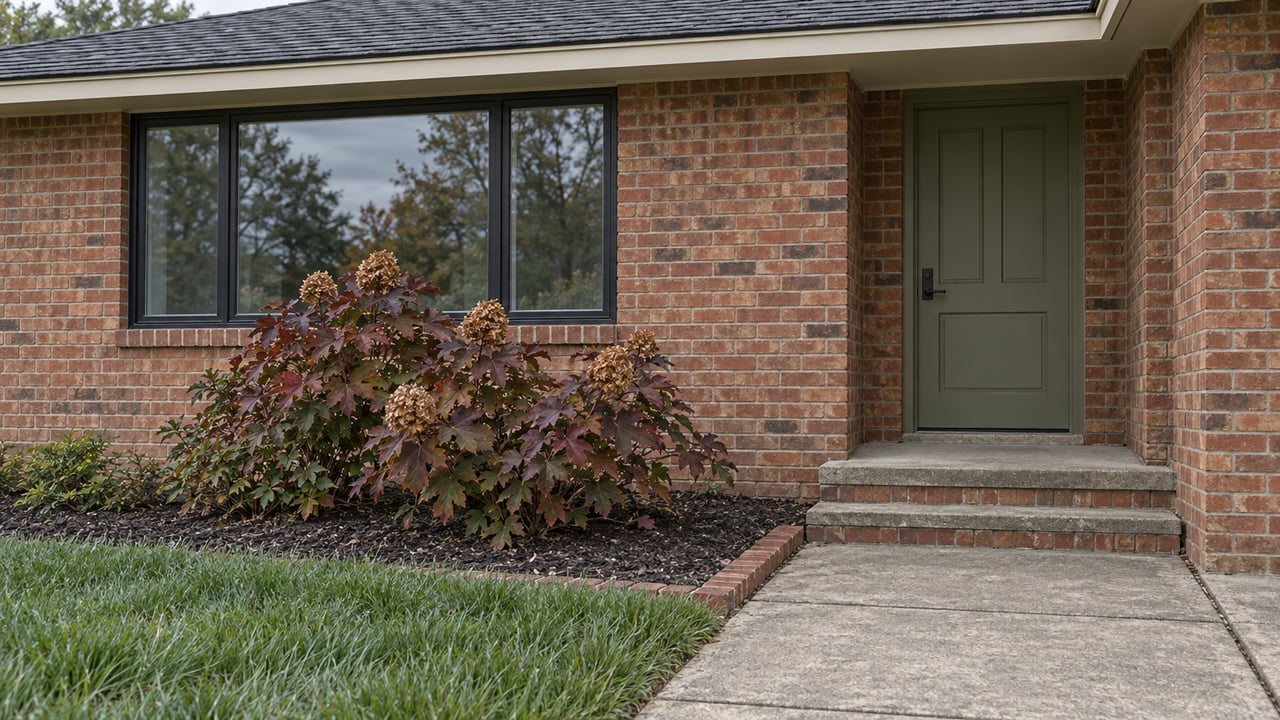
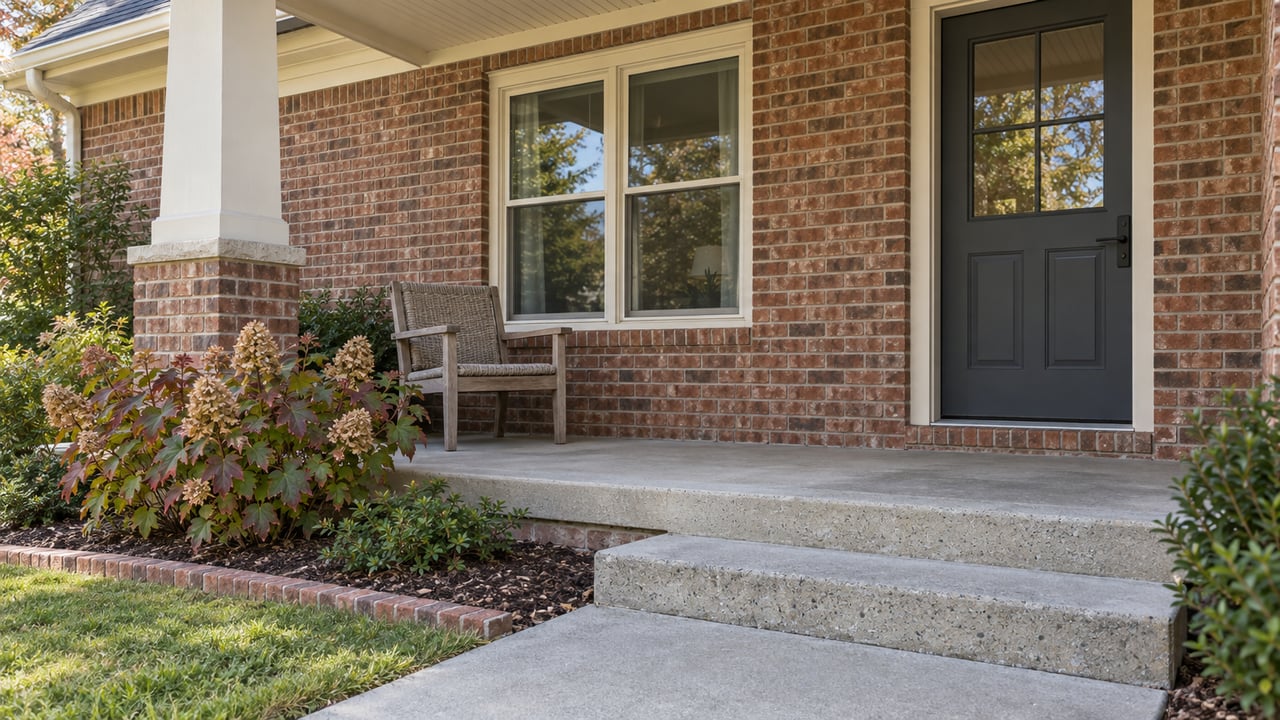
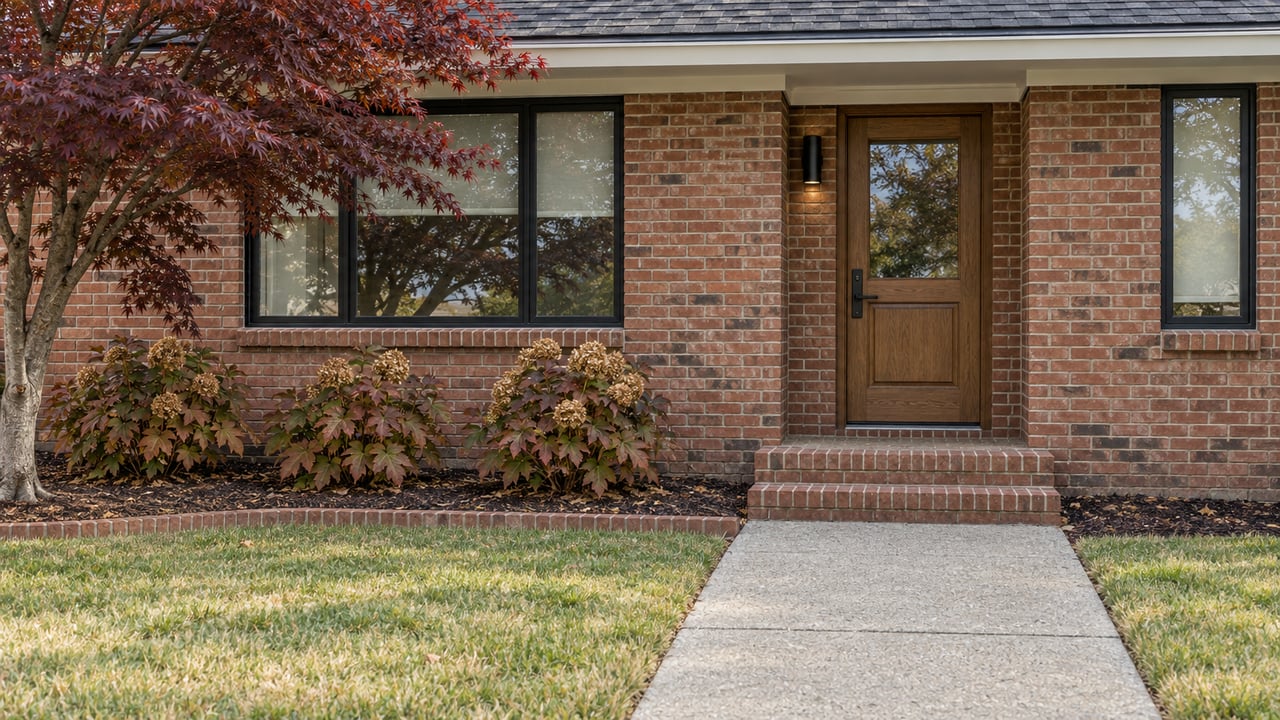
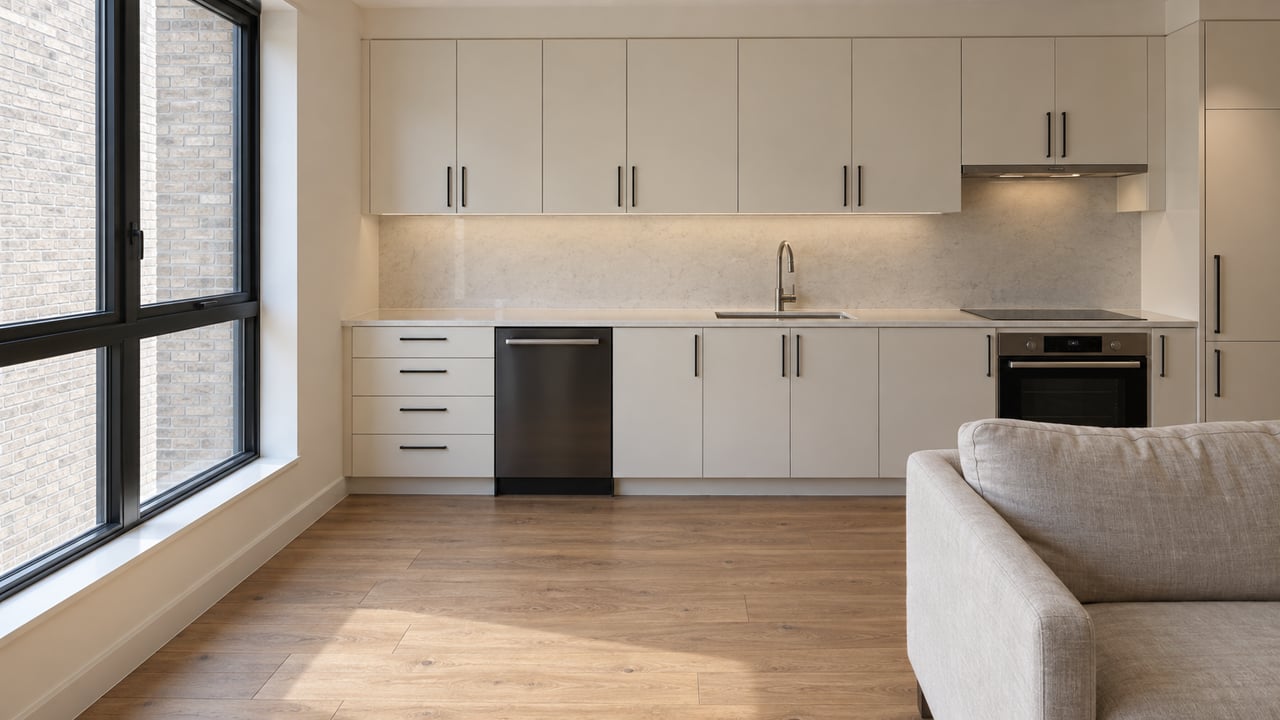
Huntersville’s housing stock leans strongly suburban. Mecklenburg County’s 2023 housing report shows that 73% of units are single-family detached, 6% are townhomes, and 18% are apartments. Smaller shares include duplexes, triplexes, condos, and mobile homes.
The same report shows a median year built of 2002 and a median heated size of 2,472 square feet. Homeownership is also high, with the county report showing a 73% homeownership rate and Census QuickFacts putting the owner-occupied rate at 71.7%. If you are looking for more interior space, newer suburban layouts, and neighborhood-driven living, Huntersville checks many of those boxes.
Price Range Expectations
Huntersville is not positioned as a low-cost market. Census QuickFacts lists a 2020 to 2024 median owner-occupied value of $472,900, while the county parcel and sales report shows a 2023 median assessed value of $456,800 and a median sales price of $439,250.
Those figures use different methods, so they do not match exactly. Still, they point in the same direction: Huntersville is a higher-priced suburban market within the greater Charlotte area. That is important to understand early, especially if you are comparing it with more entry-level locations.
Neighborhood Patterns to Know
Huntersville includes a range of neighborhoods, and the right fit often depends on your budget, space needs, and commute goals. The county report identifies places such as Pottstown, Rich Hatchet Community, and Holly Crest as areas with smaller or more entry-level homes.
For buyers looking for larger or more move-up-oriented homes, the report highlights communities such as Skybrook, Northstone Club, Vermillion, Birkdale, and Hollins Point-Cashion Woods. It also notes that much of Huntersville’s growth in the 1990s and early 2000s clustered in neighborhoods such as Birkdale, Wynfield Creek, Wynfield Forest, Cedarfield, Greenfarms, Hamptons, and Monteith Park, while newer neighborhoods have pushed toward the edges of town.
That matters because the feel of Huntersville can change depending on where you focus. Some areas may appeal more for housing size and neighborhood layout, while others may stand out for commute positioning or amenity access.
Who Huntersville Fits Best
Huntersville is often a strong match if you want three things at once: lake access, suburban space, and reasonable connectivity to Charlotte. That combination is a big part of its appeal, especially for relocation buyers, move-up buyers, and anyone who wants a little more room without moving too far from major job centers.
It can also work well if you enjoy an active outdoor lifestyle. Between boating access, beach access, greenways, and nearby state park recreation, there is a lot to do if you want your weekends to include more than errands and screen time.
At the same time, it helps to be realistic. Huntersville is more car-oriented and less urban-walkable than an inner Charlotte neighborhood. If your top priority is a dense, highly walkable city environment, you may want to compare that tradeoff carefully.
How to Evaluate Huntersville Smartly
If you are serious about moving to Huntersville near Lake Norman, focus on the factors that will shape your daily life most:
- Your typical commute route and traffic tolerance
- How often you expect to use lake access or greenways
- Whether you want a single-family home, townhome, or apartment
- Your comfort level with Huntersville’s pricing
- How close you want to be to Birkdale Village, I-77, or other key destinations
The goal is not just to choose Huntersville. It is to choose the right part of Huntersville for how you actually live.
If you want help comparing neighborhoods, weighing commute tradeoffs, or identifying the best-fit homes for your budget and goals, Anthony Swain can help you make a clear, confident move.
FAQs
What is Huntersville like for living near Lake Norman?
- Huntersville is one of the anchor communities around Lake Norman and offers access to boating, swimming, trails, and other outdoor recreation while still being about 20 minutes north of Charlotte.
What lake access points are in Huntersville?
- Huntersville includes major access points like Blythe Landing Park, which has six boat ramps and 218 trailer spaces, and Ramsey Creek Beach, which offers swimming, docks, trails, picnic areas, and more.
What is the commute from Huntersville to Charlotte like?
- Huntersville is part of a Charlotte-facing commuter market, the mean travel time to work is 27.1 minutes, and many residents commute to Charlotte job centers, though I-77 traffic can be a factor.
Are homes in Huntersville mostly single-family?
- Yes. Mecklenburg County’s 2023 housing report shows 73% of Huntersville housing units are single-family detached, with smaller shares of townhomes, apartments, condos, and other housing types.
Is Huntersville an affordable Charlotte suburb?
- Huntersville is generally considered a higher-priced suburban market, with reported figures including a median owner-occupied value of $472,900 and a 2023 median sales price of $439,250.
What kinds of buyers tend to like Huntersville most?
- Huntersville often fits buyers who want suburban space, access to Lake Norman, and reasonable connectivity to Charlotte, especially relocation buyers and move-up households.