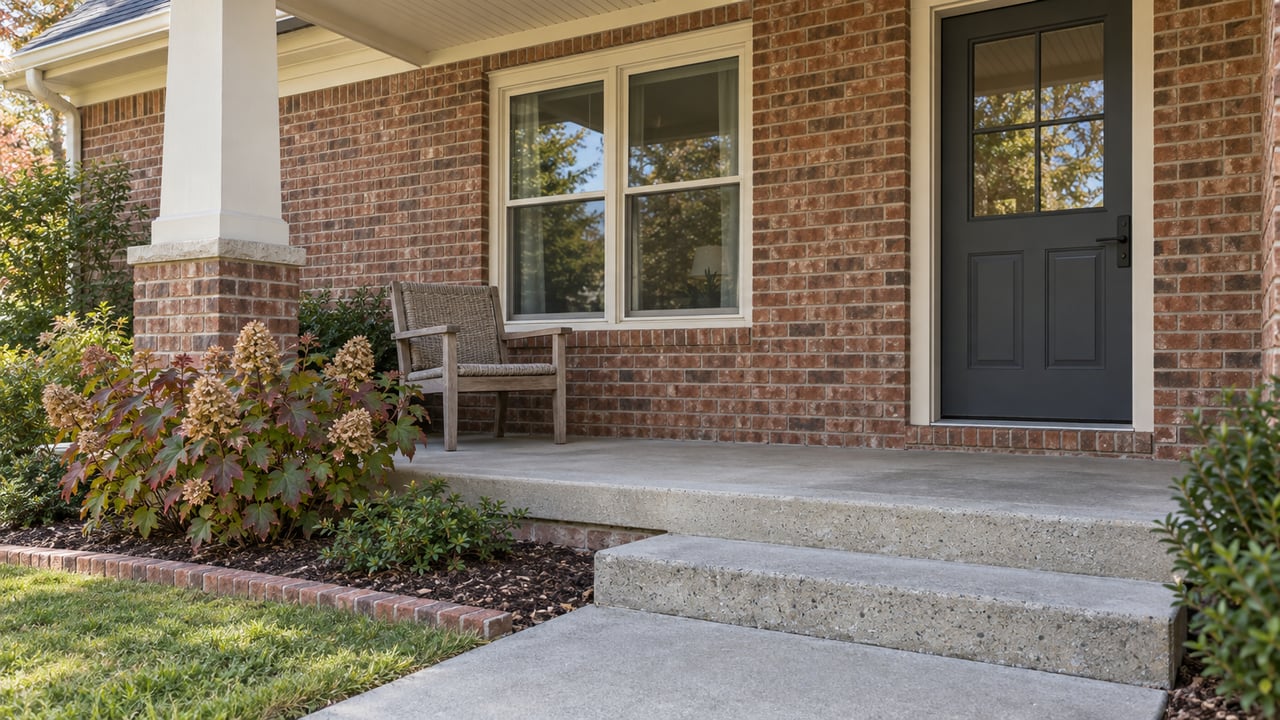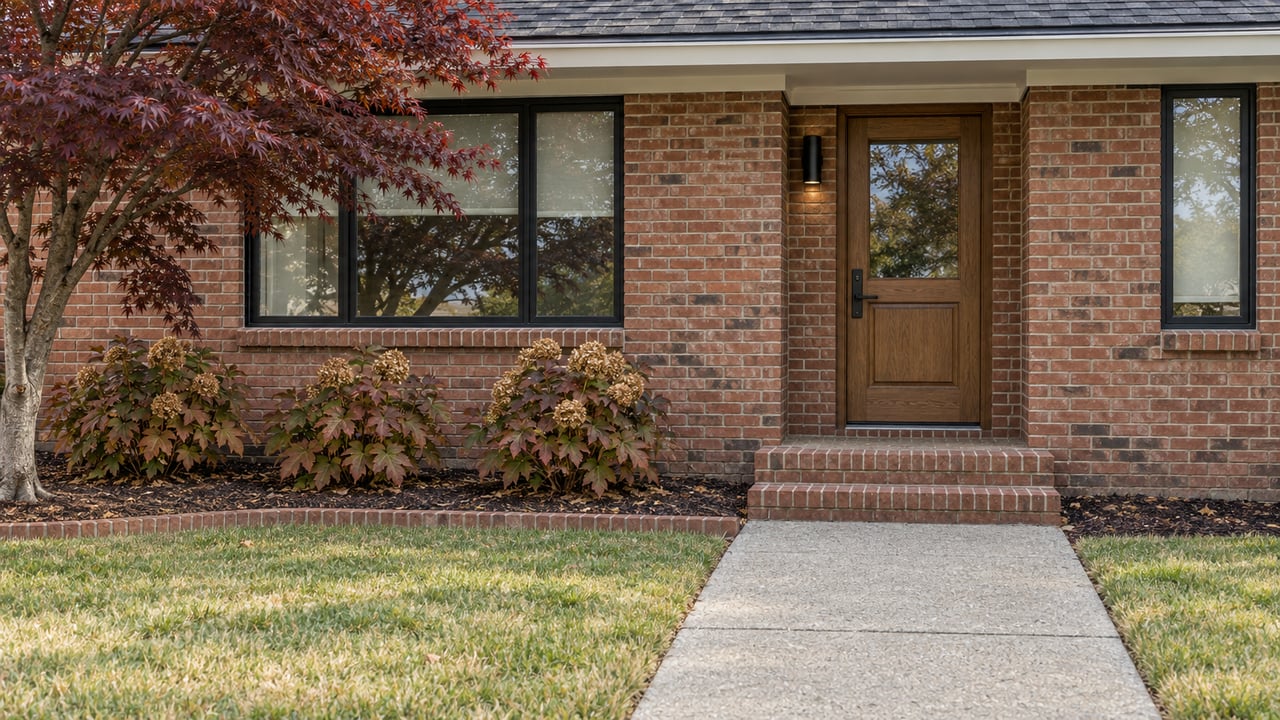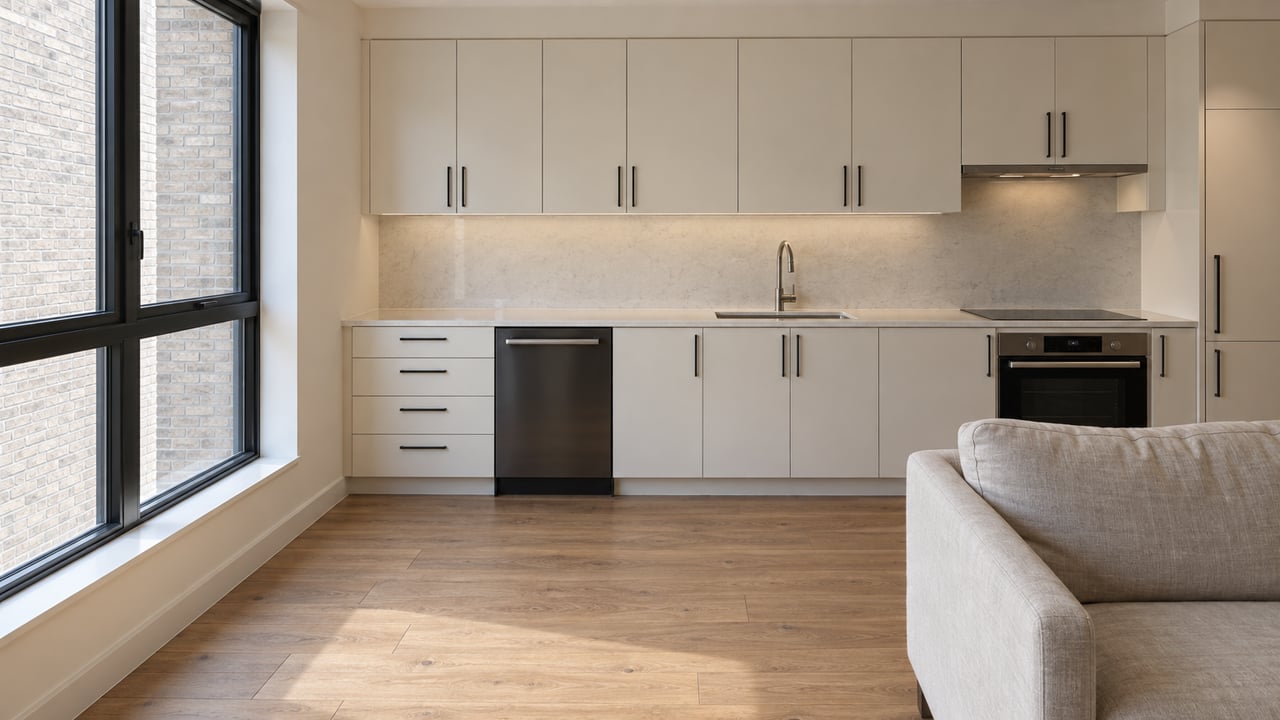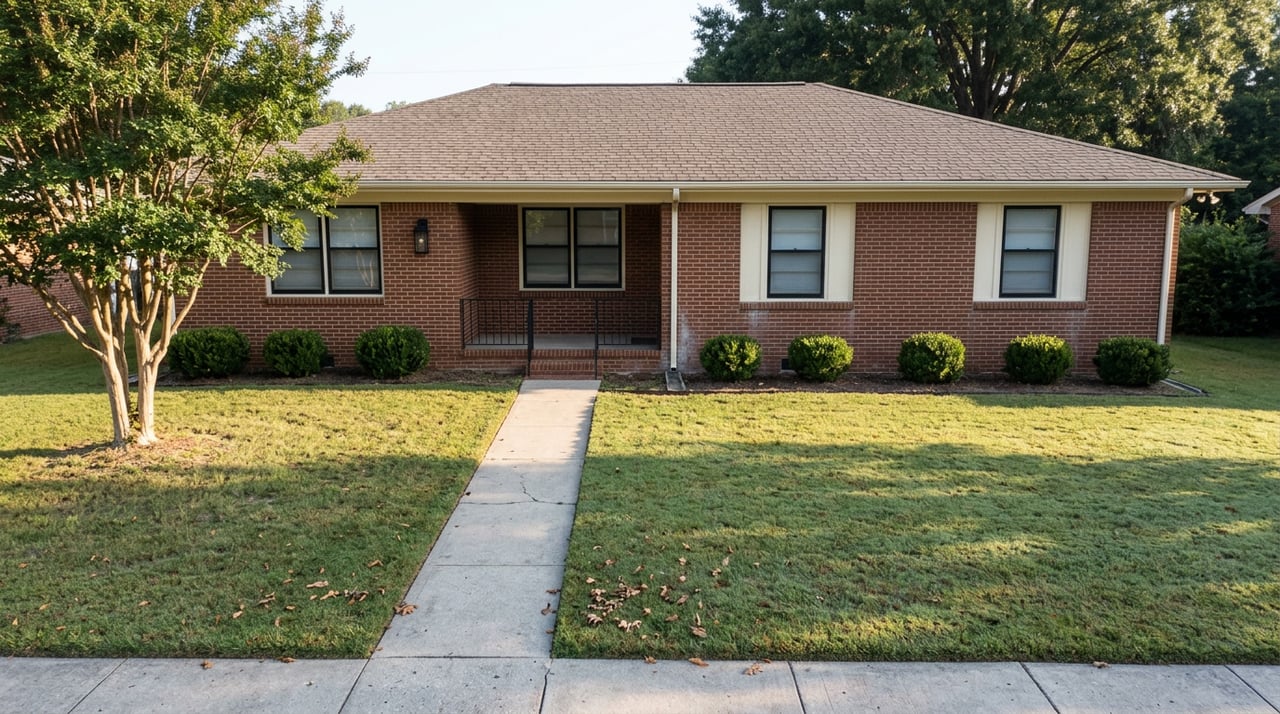
Walk into a renovated bungalow on one of Merry Oaks' quiet side streets right now and you'll probably see the same package: white oak-look flooring, a shaker-style kitchen, black hardware, fresh paint on old brick. It photographs beautifully. Then your agent hands you the Residential Property and Owners' Association Disclosure Statement, and instead of answers, you find a column of boxes marked "No Representation." Not "No problems." Not "Never had an issue." Just a legal shrug, question after question.
Buyers often read that as a red flag. It isn't, not by itself. It's something more useful than a red flag: it's a signal about who you're actually buying from, and it tells you exactly where to spend your inspection money.
The Loophole Isn't a Trick. It's the Statute.
North Carolina's disclosure law, General Statute 47E, only requires a seller to disclose what they actually know. The standard form gives three choices for nearly every question about the property's condition: Yes, No, or No Representation. Choosing No Representation isn't dishonest and it isn't illegal. It simply means the seller isn't making a claim either way, and the law lets them do that on every line if they choose.
Here's where it gets specific to the flips you'll see across East Charlotte's older pockets. Most investor-sellers bought the house at auction or through a wholesaler, gutted it over a few months, and never spent a night there. They have no personal history with the crawlspace, no memory of a wet spring, no story about the water heater. In the strictest legal sense, they don't know anything, so marking No Representation across the board isn't evasive. It's accurate.
That's the mechanism worth understanding before you fall in love with the kitchen: a fully renovated interior and a nearly blank disclosure form aren't in tension. They're the same transaction, seen from two different angles.
Why This Bites Harder in Merry Oaks Than in a New Build
Merry Oaks was mostly built in the late 1940s and 1950s, brick ranches and wood bungalows going up on former farmland at what was then the outer edge of the city, much of it for servicemen coming home from World War II. Commonwealth-Morningside carries the same bungalow-era stock. Grier Heights sits in the same construction window. These aren't criticisms of the neighborhoods. They're some of East Charlotte's most walkable, tree-shaded streets, and that character is exactly what's drawing renovation dollars into them right now.
But it means the plumbing underneath those refinished floors is often original to the house, and that generation of construction used materials that have a known shelf life. Clay tile sewer pipe was standard before the 1970s and is prone to joint separation and cracking under the pressure of Charlotte's shifting red clay soil. Cast iron handled the era's plumbing loads well but corrodes from the inside out after fifty-plus years of acidic wastewater exposure. Some homes from this period even have Orangeburg pipe, a wood-pulp and coal-tar material that behaves like compressed cardboard underground, flattening over decades until it collapses.
None of that shows up in a standard home inspection. Home inspectors check the panel, the roof, the crawlspace framing, the appliances. The main sewer lateral, the pipe running from the house to the street connection, sits outside their scope entirely. It's the one system in the house that a fresh coat of paint can't touch and a general inspection won't catch.
The Math That Makes This Worth Your Time
A sewer scope inspection in Charlotte typically runs $200 to $400. A camera goes down through the cleanout and shows you exactly what's in the line: root intrusion, bellied sections where waste pools instead of flowing, cracks, offsets at the joints. If the news is bad, a full sewer line replacement runs $5,000 to $20,000 depending on length and access.
Set those two numbers next to each other and the decision isn't complicated. A $300 scope is cheap insurance against a five-figure surprise, and it's the only way to actually see what decades of clay soil and mature East Charlotte oaks have done to a pipe you'll never lay eyes on otherwise.
What "No Representation" Should Actually Trigger
A disclosure form full of No Representation boxes on a renovated flip isn't proof of a hidden problem. It's proof that nobody with personal knowledge of the house's history is standing behind it. Treat it as your cue to build your own picture instead of relying on the seller's.
A few moves that matter more here than in a typical resale:
- Order an independent sewer scope before closing, especially on anything built before 1970. It's a line item your agent can build into the inspection period, and the report gives you real leverage to negotiate a credit or repair if something turns up.
- Check public property records for when the current seller acquired the home. If they bought it eight months ago at a distressed price and are reselling now, that timeline tells you how much personal history they could possibly have with the property, which is often not much.
- Ask what happened during the renovation, not just what it looks like now. A contractor invoice showing new supply lines is a different conversation than a No Representation box on the plumbing question.
- Consider a home warranty for anything the disclosure form left open. It won't cover everything, but it closes some of the gap the paperwork leaves blank.
If Something Surfaces After Closing
North Carolina law does give buyers a path if a seller genuinely knew about a defect and hid it or answered dishonestly rather than choosing No Representation. To win that kind of claim, a buyer generally has to show the seller made a false statement about something they actually knew, intended to mislead, and that the buyer relied on it to their financial detriment. Courts across the state, including here in Mecklenburg County, have heard these disputes, and the usual remedy is the cost of repair, occasionally rescission of the sale in extreme cases.
That legal backstop exists, but it depends on proving what the seller actually knew, which is exactly the thing No Representation is designed to avoid creating a record of. Buyers generally have a few years from the point they discover a problem to bring a claim, but the more useful lesson is upstream of any lawsuit: the paperwork protects the person who fills it out truthfully within its limits, not the person reading it after the fact. Your diligence before closing does more work than any claim you might file after.
A Quick FAQ
Does a No Representation answer mean the seller is hiding something? Not necessarily. For an investor who bought, renovated, and never occupied the home, it's often the legally accurate answer because they have no personal history with the property to report.
Should I order a sewer scope even if the general inspection came back clean? Yes, particularly on anything built before 1970 in East Charlotte's older sections. A standard inspection doesn't look underground, so a clean report tells you nothing about the sewer lateral one way or the other.
What if I find a defect after I've already closed? Document it, get a repair estimate, and talk to an attorney about whether the seller had actual knowledge before the sale. Whether you have a case depends on what the seller knew, not just on what went wrong.
Buying a renovated home in one of East Charlotte's older neighborhoods can be a genuinely good move. The bones are often solid, the lots are mature, and the price per square foot still gives buyers room that newer construction closer to Uptown doesn't. The paperwork just isn't the whole story on its own, and knowing where to look past it is what turns a good-looking flip into a good decision.
If you're weighing a renovated home in Merry Oaks, Commonwealth-Morningside, or anywhere else in East Charlotte and want a second set of eyes on the disclosure form before you write an offer, Anthony Swain can walk through it with you. Let's Connect.