Trying to decide between a brand-new home and an older one in West Charlotte? In 28208, that choice is not just about style. It is about how you want to live, what kind of maintenance you can handle, and how much value you place on character versus convenience. If you are weighing your options in this part of Charlotte, this guide will help you compare the real tradeoffs so you can make a smarter move. Let’s dive in.
Why This Choice Looks Different in 28208
West Charlotte is not a market filled with large new subdivision communities. In 28208, the housing stock is mostly older, with many homes dating from the 1940s through the 1960s and very little post-2020 construction. That means your search will often be a choice between resale homes with history and newer infill homes built into existing neighborhoods.
This matters because the decision is more specific here than in a fast-growth outer suburb. In West Charlotte, newer homes are often part of redevelopment of existing spaces, while older homes tend to reflect the area’s long-established identity. You are not just comparing age. You are comparing two different living experiences.
What New Construction Offers
New construction usually appeals to buyers who want a more predictable start. As of May 2026, new homes in North Carolina are being built under the current state code environment, including the 2024 Residential Code and Energy Conservation Code. That can give you more confidence in the systems, materials, and baseline performance of the home.
Energy efficiency is another major reason buyers lean toward new homes. The U.S. Department of Energy says reducing air leakage is central to an energy-efficient home, and air leakage can account for 30% or more of heating and cooling costs. Many older homes also have less insulation than homes built today, which can affect comfort and monthly utility use.
In West Charlotte, newer homes may also come with a more modern layout. Open living areas, newer finishes, and lower near-term repair needs are common reasons buyers choose this route. Still, the exact features, finish level, and warranty coverage vary by builder and contract, so it is important to review the details closely.
New Homes May Mean Smaller Lots
One local detail buyers should understand is lot pattern. Charlotte’s historic-district standards for new residential construction note that new infill often follows historic lot lines and parcel sizes. In practical terms, that can mean a more compact site plan, smaller side yards, and a stronger front-door connection to the sidewalk.
If you want lower maintenance outside and a more urban feel, that may work well for you. If you picture a wider yard or more separation from neighbors, it is worth comparing lot dimensions carefully before you decide.
What Older Homes Offer
Older homes in West Charlotte often win on character. Neighborhoods in and around 28208 include places known for bungalow-style homes, tree canopy, curving streets, and a strong sense of architectural history. Areas such as Wesley Heights and Wilmore are part of a broader west-side story shaped by early-20th-century and mid-century housing patterns.
For many buyers, that older-home appeal is hard to replicate. You may find original brick, mature landscaping, more visual variety from house to house, and a neighborhood feel that developed over decades rather than all at once. In a mature ZIP code like 28208, that texture is a real part of the value.
Older homes may also offer a different lot presence on some blocks. While every property is unique, established streets can feel less uniform and more layered over time. If you care about charm and setting as much as square footage, older homes often stand out.
Older Homes Often Need More Updating
The flip side is maintenance and efficiency. Many older homes have less insulation than newer homes, and energy assessments can help identify air sealing and insulation needs. In real life, that means drafts, attic insulation, and duct placement deserve a close look when you are evaluating a resale home.
If the home was built before 1978, there is another important factor. The EPA says homes built before 1978 are more likely to contain lead-based paint, and federal disclosure requirements usually apply before a sale is signed. If you plan to renovate, lead-safe work practices may also be required.
Historic District Rules Can Affect Renovations
Some older homes on the west side may be located in local historic districts. If that is the case, certain exterior changes such as windows, doors, fencing, or tree removal may require approval from Charlotte’s Historic District Commission. That does not make a home a bad purchase, but it does affect how freely you can change the exterior.
For buyers who love preserving original character, that may feel like a benefit. For buyers who want to make quick design changes right away, it is something to understand before closing. This is one of those details that can shape your budget, your timeline, and your expectations.
The Real Tradeoff: Certainty Versus Character
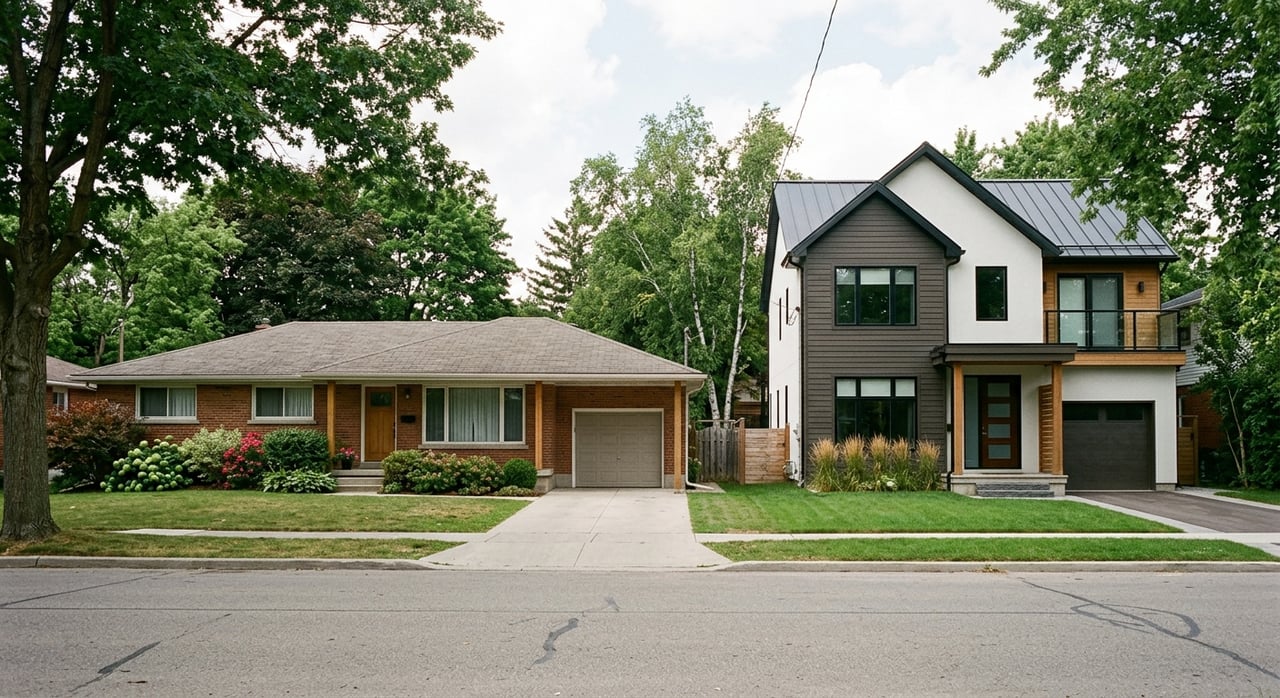
In 28208, the biggest difference often comes down to certainty versus character. New construction tends to offer current-code systems, lower early maintenance risk, and stronger energy performance. Older homes tend to offer more architectural personality, more established neighborhood texture, and a higher chance that repairs or upgrades will come with the package.
Neither option is automatically better. It depends on what matters most to you right now. If you want a lower-maintenance start and more modern performance, newer construction may be the cleaner fit. If you care most about charm, location feel, and the potential to improve a home over time, an older property may be the better match.
How to Compare Homes the Smart Way
When you tour homes in West Charlotte, it helps to compare them through the right lens instead of just asking which one looks better online. A renovated older home can still carry hidden maintenance issues, and a brand-new home can still have workmanship items that need attention before closing.
Here are a few smart comparison points:
- Energy performance: Ask about insulation, windows, ductwork, and overall comfort.
- Repair timeline: Think about what may need attention in the first 1 to 5 years.
- Lot and layout: Compare yard size, spacing, and how the home sits on the site.
- Renovation freedom: Check whether historic-district rules affect exterior changes.
- Contract details: For new homes, confirm what features and warranty terms are actually included.
This kind of side-by-side review helps you avoid focusing only on finishes. The goal is to understand what you are really buying.
Why Inspections Matter for Both
It is easy to assume older homes need inspections more than new ones, but both deserve careful review. North Carolina law defines a home inspection as a written, noninvasive evaluation of parts of the home such as heating, cooling, plumbing, electrical, structural components, foundation, roof, masonry, and exterior or interior components. That scope is useful whether the home is 80 years old or brand new.
For older homes, the inspection often helps you measure hidden maintenance load. For newer homes, it helps confirm the builder delivered what the contract promised and whether any workmanship issues surfaced before closing. In either case, the inspection is one of the best tools you have for making a clear decision.
Do Not Rely on a Warranty Alone
A home warranty can be helpful, but it should not replace an inspection. The North Carolina Department of Justice advises buyers to review warranty contracts carefully and understand exactly what is covered. Coverage limits and exclusions can matter more than many buyers expect.
That is especially important when comparing a new home with builder coverage against an older resale home where systems may be aging. A warranty may offer some peace of mind, but due diligence still matters more.
Which Option Fits You Best?
A new construction home in West Charlotte may fit you best if you want move-in-ready systems, better energy performance, and fewer immediate projects. It can also be a strong fit if you prefer modern design and a simpler maintenance outlook in the early years of ownership.
An older home may fit you best if you value character, mature streets, and the chance to personalize a property over time. It may also make sense if you are comfortable planning repairs, evaluating renovation potential, or looking beyond cosmetic flaws to long-term upside.
In a ZIP code like 28208, both paths can make sense. The key is matching the home to your goals, your timeline, and your comfort level with updates.
If you are weighing new construction against an older home in West Charlotte, having a calm local advisor can make the decision much clearer. Whether you are looking for a move-in-ready home, a renovation opportunity, or the right infill property, Anthony Swain can help you compare options, spot the details that matter, and move forward with confidence.
FAQs
What is the main difference between new construction and older homes in West Charlotte?
- In 28208, the biggest difference is often certainty versus character. New construction usually offers current-code systems and lower early maintenance risk, while older homes often offer more architectural personality and established neighborhood texture.
Are most homes in 28208 new construction homes?
- No. 28208 is mostly a mature housing area with many homes built from the 1940s through the 1960s, and very little post-2020 construction.
Do older homes in West Charlotte cost more to maintain?
- They can. Older homes are more likely to need updates related to insulation, air sealing, and deferred maintenance, so it is important to evaluate repair needs carefully during the buying process.
Are inspections important for new construction homes in North Carolina?
- Yes. A home inspection can help identify workmanship issues and confirm the home was delivered as expected, even if the property is brand new.
Do historic district rules affect older homes in West Charlotte?
- Sometimes. If a home is in a local historic district, certain exterior changes may require approval from Charlotte’s Historic District Commission.
Should you choose a new or older home in 28208 as a first-time buyer?
- It depends on your priorities. If you want lower maintenance and modern systems, new construction may fit better. If you value charm and are comfortable with possible updates, an older home may be the stronger choice.